
Launch Your Own Skincare Brand
Global Leading laboratory for Custom formulation and Contract Manufacturing beauty products.

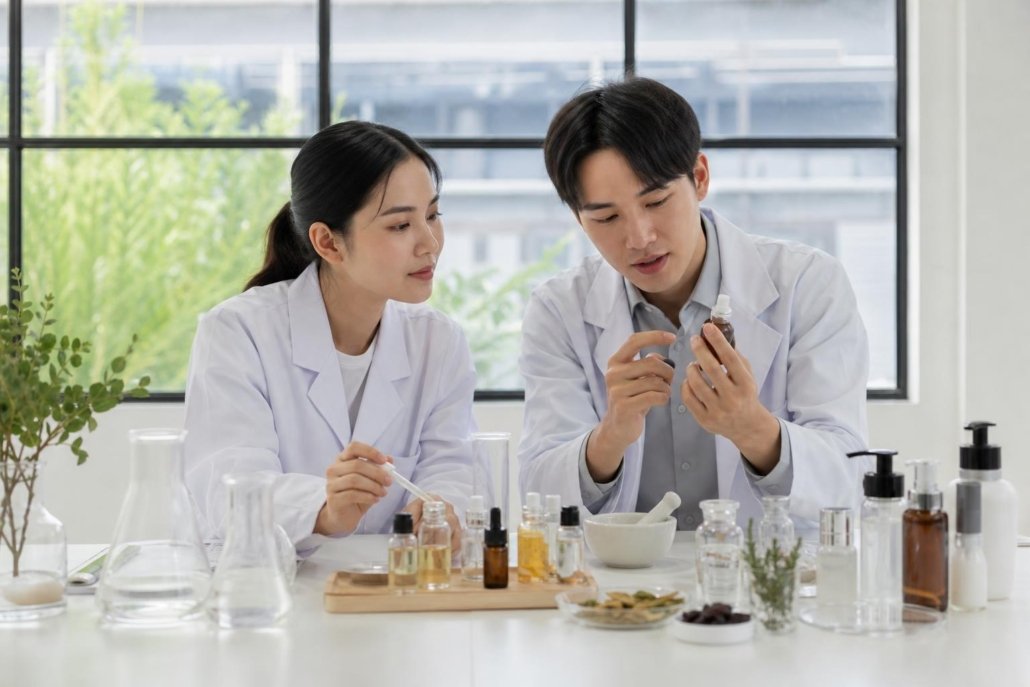
Scalp health has officially crossed over from niche concern to mainstream priority, and private label brands that aren’t paying attention are already falling behind. The global hair and scalp care market is projected to reach $122.94 billion in 2026, with specialized scalp treatments driving a disproportionate share of that growth. For beauty entrepreneurs, Amazon sellers, and spa owners building their own product lines, understanding the scalp care trends shaping 2026 is no longer optional: it’s the difference between launching a bestseller and stocking a shelf-warmer. The opportunity is real, but so is the competition. Here’s what private label brands actually need to know to get it right this year.
The Evolution of ‘Skinification’ in 2026 Scalp Care
The idea that your scalp deserves the same ingredient sophistication as your face isn’t new, but 2026 has pushed it into a completely different tier. Consumers now expect to see clinical-grade actives and microbiome-friendly formulations on their scalp product labels, not just generic “soothing botanicals.” This shift, often called skinification, has redefined what consumers expect from their haircare routines, and private label brands that mirror this language and ingredient strategy are winning shelf space.
Biotic Balancing: Prebiotics and Postbiotics for the Microbiome
The scalp microbiome conversation has matured past probiotics alone. Postbiotics, the metabolic byproducts of probiotic fermentation, are showing up in serums and leave-on treatments because they’re more shelf-stable and easier to formulate. Prebiotic fibers that selectively feed beneficial bacteria round out the picture. For private label development, this means sourcing manufacturers who understand fermentation-derived ingredients and can stabilize them in low-pH environments without compromising efficacy.
Clinical Actives: Incorporating Niacinamide and Hyaluronic Acid
Niacinamide at 2-5% concentrations is becoming a go-to for scalp formulations targeting oiliness, redness, and barrier repair. Hyaluronic acid, particularly low-molecular-weight variants, provides hydration that penetrates beyond the surface layer. These aren’t exotic ingredients: they’re proven, well-studied, and cost-effective to formulate. The key for private label brands is pairing them correctly. A scalp serum combining niacinamide with zinc PCA, for example, addresses both sebum regulation and anti-inflammatory concerns in a single SKU.
High-Growth Product Categories for Private Label Development
Not every scalp product category is growing at the same rate. Smart private label brands are concentrating their R&D budgets on formats that align with the health-focused, ingredient-conscious consumer of 2026 rather than chasing every trend equally.
Scalp Serums and Overnight Detox Treatments
Scalp serums are the fastest-growing format in the category, and overnight detox treatments are right behind them. These products command higher price points because consumers associate the serum format with concentrated, targeted results. An overnight scalp mask with salicylic acid and tea tree oil, for instance, positions well as a weekly reset product. Awilke Branding has seen strong demand from clients developing exactly this type of product, especially for Amazon listings where “overnight” and “detox” keywords drive significant search traffic.
Liquid Exfoliants vs. Physical Scalp Scrubs
Physical scalp scrubs with sugar or salt granules had their moment, but liquid exfoliants are gaining ground fast. BHA-based scalp tonics offer exfoliation without the mess, and they’re easier to apply with dropper or spray applicators. That said, physical scrubs still sell well as an experiential, spa-like product. The smart play for private label brands is offering both: a weekly scrub for the ritual-loving customer and a daily-use liquid exfoliant for the efficiency-minded buyer.
SPF for Scalp: The Rise of Sun Protection in Haircare
Scalp sunburn is a real problem that most haircare brands have ignored for years. UV-protective scalp sprays and mists are among the trending private label hair care products gaining traction in 2026, particularly in markets like Australia, the Middle East, and the southern United States. Formulating scalp SPF requires careful attention to texture: nobody wants a greasy, heavy product sitting on their part line. Lightweight mineral-based sprays with zinc oxide are the current sweet spot.
Sustainable Packaging and Clean Ingredient Standards
Sustainability isn’t a bonus anymore: it’s table stakes. Consumers are reading ingredient lists and scrutinizing packaging materials before they click “add to cart.”
Refillable Systems and Biodegradable Applicators
Refillable packaging systems reduce per-unit costs after the initial purchase and build brand loyalty through repeat refill orders. Biodegradable applicator tips, particularly for scalp serums and tonics, address the growing concern about single-use plastic waste. Private label manufacturers with flexible packaging options, including Awilke Branding‘s custom packaging services, can help brands test refillable formats without committing to massive initial runs.
Waterless Formulations and Concentrated Solids
Waterless scalp care, think concentrated balms, powder-to-liquid treatments, and solid scalp bars, reduces shipping weight and eliminates the need for certain preservatives. These formats appeal to eco-conscious consumers and travelers alike. The formulation challenge is real, though: concentrated products need to dissolve or activate properly without leaving residue. Working with a manufacturer experienced in anhydrous formulations is essential.
Targeting Specific Demographics and Scalp Concerns
Generic “for all hair types” positioning is losing ground to products that speak directly to specific life stages and environmental stressors. The brands seeing the strongest growth are the ones getting specific about who their products serve.
Anti-Pollution Barriers for Urban Consumers
Particulate matter, heavy metals, and oxidative stress from pollution damage the scalp just as they damage facial skin. Anti-pollution scalp products typically include antioxidants like vitamin E and green tea extract, along with film-forming agents that create a protective barrier. This category resonates strongly with urban consumers in Asia and Europe, where air quality concerns are top-of-mind. For private label brands targeting these markets, anti-pollution claims backed by real ingredient science can justify premium pricing.
Solutions for Hormonal Thinning and Postpartum Care
Hormonal hair thinning affects millions of people, and postpartum hair loss is one of the most emotionally charged scalp concerns a brand can address. Products in this category often feature saw palmetto, caffeine, biotin, and peptide complexes. The messaging matters as much as the formula here: empathetic, science-backed communication builds trust with a demographic that’s often been sold empty promises. Private label brands that combine inclusive formulation with honest marketing are carving out loyal customer bases.
Strategic Sourcing and Speed-to-Market for Private Labels
Having the right product idea means nothing if you can’t get it manufactured, tested, and listed before the trend window closes. Speed-to-market is the single biggest competitive advantage for private label scalp care brands in 2026.
Leveraging Low-MOQ Manufacturing for Trend Testing
Low minimum order quantities let brands test new SKUs without betting the entire budget on an unproven product. A 500-unit run of a new scalp serum can validate demand before you commit to 3,000 units. This approach, which Awilke Branding supports through its low-MOQ manufacturing model, is especially valuable for Amazon sellers and DTC brands that can read sales data quickly and scale winners. The ability to launch three variations and double down on the one that performs is worth more than any amount of pre-launch market research.
Certifications that Drive Consumer Trust in 2026
Certifications aren’t just logos on a box: they’re purchase triggers. In 2026, the certifications that matter most for scalp care include cruelty-free (Leaping Bunny), vegan, and compliance with EU cosmetic regulations and FDA guidelines. Global regulation compliance is particularly important for brands selling across multiple markets. A product formulated for the EU market, for example, can typically be sold almost anywhere, while the reverse isn’t always true. Choosing a manufacturer that handles multi-market compliance from the start saves months of reformulation headaches later.
The scalp care space in 2026 rewards brands that move fast, formulate smart, and speak to specific consumer needs rather than trying to be everything to everyone. If you’re ready to turn a scalp care concept into a market-ready product, Awilke Branding offers GMP-certified manufacturing, custom formulations, and low MOQs built for brands at every stage. Request a sample or quote to get started.
Frequently Asked Questions
What is the most in-demand scalp care product format in 2026?
Scalp serums lead the category in both search volume and sales growth. Their concentrated format, higher perceived value, and compatibility with clinical actives like niacinamide and peptides make them the top choice for private label development.
How can private label brands test scalp care trends without high upfront costs?
Working with manufacturers that offer low minimum order quantities, sometimes as low as 500 units, allows brands to launch small test runs. This approach validates real consumer demand before committing to large production orders.
How long does it typically take to launch a private label scalp care product?
Timelines vary by formulation complexity, but most brands can expect several weeks for sampling and roughly a month or so for full production once a formula is approved. Working with a manufacturer that keeps stock formulas on hand, rather than developing everything from scratch, shortens this window considerably.
Why is scalp SPF becoming a popular product category?
UV damage to the scalp causes sunburn, premature aging of hair follicles, and increased sensitivity. Lightweight mineral-based scalp sprays fill a gap that traditional sunscreens and haircare products have ignored, making them a strong whitespace opportunity for private label brands.

 OEM vs ODM Cosmetics: Which Is Right for Your Brand?