
Launch Your Own Skincare Brand
Global Leading laboratory for Custom formulation and Contract Manufacturing beauty products.

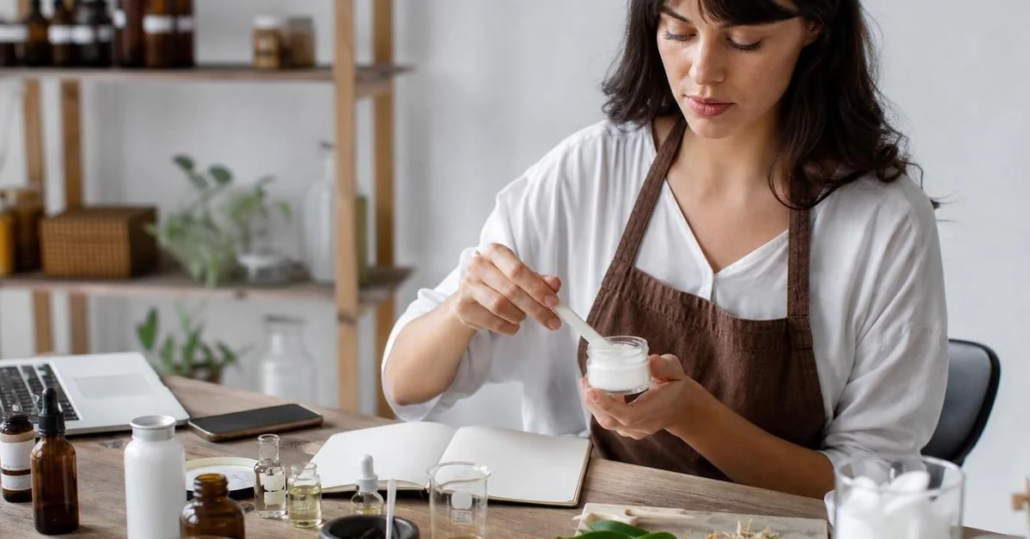
The body care market is booming, and there’s never been a better time to launch your own line. The global skincare and body products segment is projected to reach $196.3 billion in 2026, and a growing share of that revenue is going to independent brands selling direct to consumers. This guide walks through every step of starting a private label body care brand — market research, manufacturer selection, product development, legal compliance, and your first real marketing push — with practical steps, not vague advice.
Market Research and Defining Your Brand Identity
Before you spend a dollar on product development, understand who you’re selling to and why they’d pick your brand over the hundreds already on shelves. This phase isn’t glamorous, but it separates brands that last from ones that fizzle out after a single product run.
Identifying Your Target Audience and Niche
The biggest mistake new founders make is trying to appeal to everyone. A body butter line for postpartum mothers has a completely different price sensitivity, ingredient priority, and marketing channel than a men’s grooming line targeting gym-goers. Get specific: build a customer persona with real details — age range, income bracket, shopping habits, skin concerns, and values like sustainability or cruelty-free sourcing.
Look at what people are actually searching for and buying. Google Trends, Amazon’s Best Sellers lists, and TikTok hashtag data can reveal demand gaps. Body serums, for example, are a major trending category in 2026, yet relatively few private label brands have entered that space compared to lotions and scrubs.
Analyzing Competitors and Market Trends
Study five to ten brands serving a similar audience — their pricing, packaging, ingredient lists, customer reviews, and social presence. Pay close attention to negative reviews: those are your opportunities. If customers consistently complain about greasy textures or artificial fragrances in a competitor’s body lotion, you know exactly what to fix in yours.
Broader trends matter too. Clean beauty continues to dominate consumer preferences, and personal care trends for 2026 point toward biotech-derived actives, waterless formulations, and refillable packaging. Aligning with a trend gives you a built-in marketing hook — just make sure it has staying power rather than being a passing fad.
Developing a Unique Brand Value Proposition
Your value proposition is the one-sentence answer to “why should I buy this?” It’s not “we make great body care products” — everyone says that. It’s something specific: “clinical-strength body care using fermented botanicals, designed for sensitive skin, at an accessible price point.” That clarity guides every decision you make, from formulation to packaging to ad copy.
Selecting the Right Private Label Manufacturer
Your manufacturer is effectively your business partner. A bad choice means inconsistent product quality, missed deadlines, and compliance headaches. A good choice means you can focus on branding and sales while someone else handles the chemistry.
Evaluating Product Quality and Formulations
Request samples from at least three manufacturers before committing. Test them yourself, share them with potential customers, and pay attention to texture, scent longevity, absorption, and how the product holds up over weeks. Ask whether the manufacturer offers custom formulation (ODM services) or only pre-made bases you can relabel — custom formulation gives you a genuinely differentiated product. Manufacturers like Awilke Branding offer both stock formulas and full custom development, giving you flexibility whether you’re launching your first SKU or your twentieth.
Understanding Minimum Order Quantities
MOQs can make or break a new brand’s cash flow. Some manufacturers require 5,000 to 10,000 units per SKU, tying up tens of thousands of dollars in inventory before you’ve made a single sale. For startups and small brands, look for partners with low MOQs — Awilke Branding, for example, offers MOQs starting at just 50 units per SKU, letting you test the market without massive financial risk.
Product Development and Customization
This is where your brand starts to feel real. The choices you make about ingredients, scents, and packaging define your customer experience and determine whether people reorder.
Choosing Star Ingredients and Scents
Pick one or two hero ingredients that align with your brand story and your audience’s skin concerns. Niacinamide, bakuchiol, squalane, and colloidal oatmeal are all strong choices in 2026, each with solid clinical backing and consumer recognition. Your manufacturer’s R&D team can help you understand which actives work well together and at what concentrations they’re effective rather than just decorative on a label.
Scent matters just as much. It’s the first thing a customer notices when they open your product, and the top reason people describe a product as “luxurious” or “cheap.” Work with your manufacturer to develop a signature scent profile, even if it’s as simple as unscented with a subtle botanical note.
Packaging Design and Sustainable Options
Packaging is your silent salesperson — it communicates quality, values, and brand personality before anyone reads a word of your marketing. Packaging trends in 2026 lean heavily toward minimalist design, mono-material containers for easier recycling, and refillable systems. PCR (post-consumer recycled) plastic and glass jars with bamboo lids are popular choices that signal eco-consciousness without inflating costs dramatically.
Invest in professional label design. A $500 investment in a skilled freelance designer will pay for itself many times over compared to a DIY Canva job. Your packaging needs to photograph well for e-commerce and social media, so think about how it looks on a screen, not just on a shelf.
FDA Guidelines and Ingredient Labeling
In the United States, cosmetics — including body care products — are regulated by the FDA under the Federal Food, Drug, and Cosmetic Act. You don’t need pre-market approval for most cosmetics, but you do need to comply with labeling requirements: list all ingredients in descending order of predominance using INCI (International Nomenclature of Cosmetic Ingredients) names, include your business name and address, and state the net quantity of contents.
If your product makes drug claims — like “treats eczema” or “reduces inflammation” — it may be classified as a drug rather than a cosmetic, triggering a completely different, and much more expensive, regulatory pathway. Stick to cosmetic claims unless you’re prepared for that process.
Trademarking and Business Registration
Register your brand name as a trademark with the USPTO before you invest heavily in packaging and marketing. A basic trademark application costs around $250 to $350 per class in 2026, and it protects you from copycats. You’ll also need a business entity (LLC is the most common choice for small beauty brands), a sales tax permit, and potentially a cosmetics business license depending on your state.
Launching and Marketing Your Body Care Line
You’ve got products, packaging, and legal compliance sorted. Now you need customers.
Building an E-commerce Storefront
Shopify remains the go-to platform for independent beauty brands in 2026, though WooCommerce and BigCommerce are solid alternatives. Your store needs professional product photography (flat lays, lifestyle shots, texture close-ups), clear product descriptions that highlight benefits over features, and a smooth checkout experience. Beauty consumers spend an average of 47 seconds on a product page before deciding, so your above-the-fold content needs to do heavy lifting.
Don’t overlook Amazon. If you’re already working with a manufacturer that handles compliant labeling and barcoding, listing on Amazon can expose your brand to millions of active shoppers without significant extra effort.
Social Media and Influencer Marketing Strategies
Short-form video is the dominant format for beauty marketing right now. TikTok and Instagram Reels drive discovery, while YouTube Shorts and Pinterest Idea Pins serve as secondary channels. Focus on content that shows your product in use: application videos, before-and-after skin texture shots, and “get ready with me” routines.
Micro-influencers (10,000 to 50,000 followers) consistently deliver better ROI than celebrity partnerships for emerging brands. A gifted product plus a $200 to $500 fee can generate thousands of impressions from a highly engaged audience. Start with five to ten micro-influencers in your niche and track which partnerships actually convert to sales using unique discount codes.
Scaling Your Private Label Business
Once your initial products are selling consistently, scaling is about expanding strategically rather than just adding SKUs. Look at your sales data to identify your top performer and consider line extensions — if your lavender body butter is outselling everything else, a lavender body wash and body oil make natural additions.
Wholesale and B2B channels open up significant revenue streams. Spas, boutique hotels, and independent retailers are always looking for new brands, especially ones with clean formulations and attractive packaging. Trade shows like Cosmoprof and INDIE Beauty Expo are worth attending once you have a polished brand presentation.
Working with a manufacturing partner that can scale with you matters enormously at this stage. If your manufacturer struggles to fulfill a 5,000-unit order after you’ve been ordering 500, you’ll face stockouts right when demand is growing. Awilke Branding supports brands from initial low-MOQ test runs through large-scale production, eliminating the painful process of switching manufacturers mid-growth. With 20+ years of manufacturing experience, they’ve built the operational depth to handle that transition without disrupting supply.
Consider international expansion carefully. Selling into the EU, UK, Japan, or South Korea each comes with distinct regulatory requirements. A manufacturer with experience in global compliance can save you months of research and thousands in consulting fees.
Bringing It All Together
Building a private label body care brand is one of the most accessible ways to enter the beauty industry, but doing it well requires careful planning at every stage. The brands that succeed are the ones that invest time in research, choose the right manufacturing partner, and build genuine connections with their audience rather than rushing to market with a generic product. If you’re ready to turn your body care concept into a real product line, get in touch with Awilke Branding to request a free sample or quote and see how GMP-certified manufacturing with custom formulations and low MOQs can set your brand up for long-term success.
Frequently Asked Questions
How much does it cost to start a private label body care brand?
A realistic starting budget ranges from $1,500 to $3,000, covering initial inventory (at low MOQs), packaging design, trademark registration, and basic e-commerce setup. Your largest expense will typically be inventory.
How long does it take to go from idea to first sale?
Most brands take three to six months from initial manufacturer contact to launch. Custom formulation adds time compared to using stock formulas, but it gives you a more differentiated product.
Can I sell private label body care products on Amazon?
Yes. You’ll need a professional seller account, UPC barcodes, and compliant product labeling. Many private label manufacturers can help ensure your packaging meets Amazon’s requirements.
Do I need a license to sell body care products?
Requirements vary by state and country. In the U.S., you generally need a business license and sales tax permit. Some states require a specific cosmetics manufacturing or distribution license. Check your state’s regulations before launching.

 Top 7 Private Label Scalp Serum Manufacturers for Hair Brands