
Launch Your Own Skincare Brand
Global Leading laboratory for Custom formulation and Contract Manufacturing beauty products.

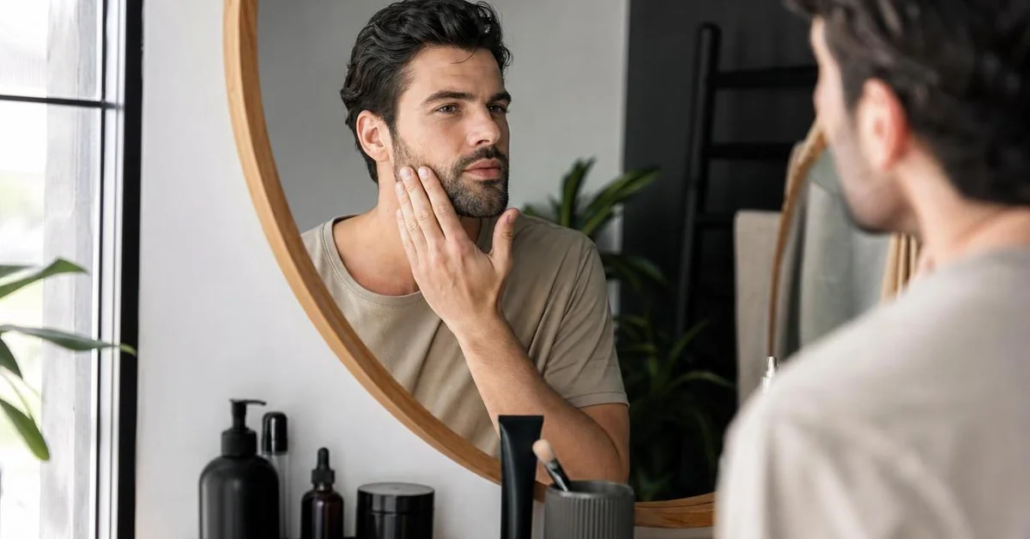
The men’s grooming category has quietly become one of the most exciting corners of the beauty industry, and 2026 is proving to be a breakout year. The global men’s grooming market is projected to reach a valuation between $79.31 billion and $322.2 billion depending on which segments you include, and the speed of growth is catching even seasoned brand founders off guard. If you’re running a private label brand, selling on Amazon, or thinking about entering the men’s category for the first time, the window to capture market share is wide open right now. Knowing which products actually move inventory — and which ones just look good on a mood board — makes all the difference between a profitable launch and dead stock.
The Evolution of the 2026 Men’s Grooming Market
Five years ago, most private label sellers could get away with a basic lineup: a beard oil, a face wash, maybe a charcoal mask. That playbook is dead. Male consumers now expect the same ingredient sophistication and product specificity they see in women’s skincare, and they’re willing to pay for it. Social media education, destigmatization of self-care among men, and genuine product innovation have driven what some analysts call the “manaissance” — a real behavioral shift where men are building multi-step routines and researching ingredients before purchasing.
For private label brands, this means you can no longer compete on generic formulations with masculine-looking packaging. It also means the opportunity to differentiate is enormous, because most men’s brands still haven’t caught up to what consumers actually want. The brands winning right now are treating men’s grooming with the same formulation rigor as prestige women’s skincare.
The Shift Toward Skin-First Routines
The biggest behavioral change this year is the move from “fix it when it’s broken” to proactive daily skincare. Men aren’t just buying face wash anymore — they’re buying serums, SPF moisturizers, and targeted treatments for concerns like hyperpigmentation, under-eye darkness, and texture. This “skinification” extends beyond the face into body care, hand care, and even intimate care. The average number of products in a male consumer’s daily routine has climbed from 2.3 in 2022 to roughly 4.1 in 2026, with younger demographics pushing that number higher still.
Multi-functional products still sell, but the definition has changed. A moisturizer that also contains SPF 30 and niacinamide at 3–5% concentration is a smart SKU; a generic “3-in-1 body wash, shampoo, and conditioner” is not. Men want efficiency, but not at the cost of efficacy — the sweet spot is products that genuinely do two things well rather than five things poorly.
Demographic Expansion: Gen Z and Silver Fox Markets
Two demographics are reshaping who buys men’s grooming products in 2026, and smart private label brands are building distinct product lines for each.
Gen Z men (roughly ages 14–29) are the most skincare-literate male generation in history. They grew up watching ingredient breakdowns on TikTok and YouTube and can spot a poorly formulated product instantly. Clinical-sounding claims backed by specific percentages — “2% salicylic acid” — land better than vague language like “deep cleansing.” This group also carries zero stigma around products traditionally marketed to women, opening categories like tinted moisturizers, concealers, and nail care.
The 50-plus “silver fox” market, by contrast, is growing fast and remains underserved. These consumers have disposable income and specific concerns — age spots, thinning hair, dryness from medication side effects, and post-shave irritation on increasingly sensitive skin. They’re less price-sensitive than Gen Z but more skeptical of hype, and products positioned around clinical results rather than trendy ingredients tend to perform best here.
If you’re planning a private label men’s line, consider whether your brand speaks to one of these groups specifically rather than trying to serve everyone. A focused brand story converts better than a generic one, especially on platforms like Amazon where niche positioning helps win search visibility.
High-Demand Product Categories for Private Labeling
Knowing which categories are actually generating revenue in 2026 separates profitable brands from expensive hobbies. The common thread across the winners is specificity — broad-spectrum “men’s skincare” products are losing ground to targeted solutions that address a single concern well, and targeted products command higher margins with stronger customer loyalty.
Advanced Anti-Aging and Retinol Alternatives
Anti-aging is no longer a category men feel embarrassed shopping for — in 2026 it’s one of the highest-margin segments in men’s grooming. Traditional retinol remains effective, but many brands are finding success with alternatives that deliver results without the irritation and adjustment period. Bakuchiol (a plant-derived retinol alternative), granactive retinoid, and encapsulated retinol formulations let brands make anti-aging claims while marketing to men who want zero downtime or peeling.
What’s actually selling in this category:
-
Eye creams with peptides and caffeine targeting dark circles and puffiness
-
Night serums containing bakuchiol at 1–2% concentration with hyaluronic acid
-
SPF 30+ day moisturizers with antioxidant complexes (vitamin C, vitamin E, ferulic acid)
-
Targeted treatments for forehead lines and crow’s feet using micro-encapsulated retinoid technology
The key insight: men will pay premium prices for anti-aging products, but only if the packaging and messaging feel masculine and straightforward. Skip the flowery language, lead with the active ingredient and the specific problem it solves — a product called “Retinoid Night Repair Serum” outsells “Youthful Radiance Elixir” every time in the men’s category. Awilke Branding has seen strong demand from clients launching anti-aging lines that pair bakuchiol with niacinamide, addressing both fine lines and uneven skin tone without the sensitivity issues that turn male consumers off traditional retinol.
Scalp Health and Advanced Hair Densifying Serums
If there’s one category that exploded in 2026, it’s scalp care. The “skinification” of hair care has hit the men’s market hard, and consumers now treat their scalp with the same ingredient-focused approach they use on their face. Scalp serums containing clinical-grade actives have become a fast-growing product category for private label brands, typically built around:
-
Niacinamide at 2–5% for sebum regulation and scalp barrier support
-
Caffeine and saw palmetto extracts for DHT-blocking claims
-
Prebiotic and postbiotic complexes for microbiome-friendly scalp health
-
Low-molecular-weight hyaluronic acid for scalp hydration
-
BHA (salicylic acid) at 0.5–1% for gentle exfoliation and dandruff control
Hair densifying serums sit at the intersection of skincare and hair care, commanding premium price points ($25–$45 retail) with relatively low production costs. Men dealing with early-stage thinning will invest in daily-use products if the ingredient story is credible. For Amazon sellers, scalp health products carry strong keyword search volume and relatively low competition compared to saturated categories like beard care — a well-positioned scalp serum with clinical-sounding copy can break into page one much faster than yet another beard oil.
Hybrid Cosmetics and Subtle Male Enhancement
Hybrid cosmetics for men — products that sit somewhere between skincare and makeup — are one of the fastest-moving trends in male beauty for 2026. The products performing best enhance appearance without looking like traditional cosmetics:
-
Tinted moisturizers and BB creams with SPF that even out skin tone
-
Color-correcting concealers for dark circles and blemishes
-
Tinted lip balms that add subtle color while hydrating
-
Brow gels that fill in sparse areas naturally
-
Mattifying primers that control shine throughout the day
Positioning is the critical factor. These products sell when marketed as “skin perfectors” or “complexion enhancers” rather than “makeup,” with minimal, unisex-leaning packaging — think matte black tubes with clean typography, not cosmetics compacts. Private label brands have a real advantage here because most major men’s brands are still too cautious to fully commit to hybrid cosmetics. A three-SKU “complexion line” (tinted moisturizer, concealer stick, mattifying setting spray) with cohesive branding puts you ahead of 90% of the market.
Sustainability and Ingredient Transparency
Male consumers in 2026 care about sustainability, but differently than you might expect. The “green” messaging that works for women’s beauty brands often falls flat with male audiences, who respond better to functional claims: “this packaging creates 60% less waste” lands harder than “we love the planet.” Ingredient transparency follows a similar pattern — men want to know what’s in their products and why, but they don’t want a lecture. Clear ingredient callouts on packaging and simple explanations of what each active does build trust without turning the brand into an advocacy campaign.
Upcycled Ingredients and Waterless Formulations
Upcycled ingredients — active compounds derived from food industry byproducts, like grape seed extract from wine production or coffee oil from spent grounds — appeal to male consumers because they feel practical rather than preachy. “We turned coffee waste into a powerful antioxidant for your face” resonates with men who appreciate resourcefulness, and these ingredients also tend to be cost-effective, improving margin structure.
Waterless formulations are the other major shift. Concentrated balms, solid serums, powder-to-foam cleansers, and bar-format shampoos eliminate water from the formula, reducing shipping weight, extending shelf life, and creating a genuine sustainability story. For sellers shipping via Amazon FBA, lighter products mean lower fulfillment fees — a benefit that compounds across thousands of units. The formulation challenge is texture: men won’t tolerate a product that feels weird or takes too long to apply, no matter how sustainable it is, so working with a manufacturer experienced in waterless formulation is essential. Awilke Branding offers custom formulation with low MOQs, letting you test a waterless beard balm or solid moisturizer concept with a low initial investment.
Refillable and Biodegradable Packaging Solutions
Refillable systems have moved beyond novelty and are now a legitimate retention strategy. The most successful models share a few characteristics: the initial purchase includes a premium outer vessel (aluminum, glass, or high-quality recycled plastic) that looks good on a bathroom shelf; refill pouches or cartridges cost 20–30% less than the original, creating a financial incentive to repurchase; and the refill process takes under 10 seconds, because anything more complicated and men simply won’t do it.
Biodegradable packaging is also gaining ground, particularly for brands targeting environmentally conscious urban consumers in markets like Western Europe, Australia, and parts of East Asia. Bamboo caps, sugarcane-derived tubes, and compostable shipping materials all contribute to a sustainability narrative that justifies premium pricing. For private label operators, the packaging decision is as important as the formula — your manufacturer should be able to source sustainable packaging options, which is especially important if you’re selling into the EU, where packaging waste directives are becoming stricter in 2026 and 2027.
Effective Branding and Distribution Strategies for 2026
Having a great product is necessary but not sufficient. The brands winning in 2026 pair strong formulations with smart go-to-market strategies. Private label brands have structural advantages over legacy players — you can launch faster, test more SKUs, pivot based on data, and operate profitably at scales that wouldn’t interest a multinational. The trick is using those advantages deliberately rather than spreading yourself thin across every channel.
Leveraging Social Commerce and Influencer Partnerships
Social commerce has become the primary discovery channel for men’s grooming products in 2026. TikTok Shop, Instagram Shopping, and YouTube product links now drive more first-purchase conversions than traditional search for brands in the $15–$50 price range. The influencer landscape has matured, and the most effective partnerships aren’t with mega-influencers but with micro-creators (10K–100K followers) who specialize in men’s skincare routines, barbering, or lifestyle content — highly engaged audiences at a fraction of what larger accounts demand.
What’s working on social right now:
-
Short-form video showing real results over 2–4 weeks (before/after content still dominates engagement)
-
“Ingredient breakdown” videos where creators explain why specific actives work
-
Subscription box partnerships that put your product in front of new customers at low acquisition cost
-
User-generated content campaigns you can repurpose as ads
One tactical tip: send product to 20–30 micro-influencers simultaneously and track which creator’s content drives the most conversions, then double down on the top three performers with paid amplification. This costs less than a single macro-influencer deal and generates diversified content assets you can use across channels for months.
Positioning for Premiumization in the Digital Space
The race to the bottom on price is a losing strategy in men’s grooming. The healthiest margins in 2026 belong to brands positioned in the “accessible premium” tier — $18–$45 per product, with packaging and messaging that justify the price point. Premiumization in a digital context requires a different approach than traditional retail: without shelf presence or in-store testers, your product page, website, and social content have to communicate quality directly.
Clean, minimal packaging photography with consistent brand aesthetics is table stakes. Beyond that, ingredient transparency builds perceived value — list your hero actives with their concentrations on the front of the packaging, include a QR code linking to a detailed ingredient breakdown page, and offer a satisfaction guarantee that reduces purchase anxiety for first-time buyers. On Amazon specifically, A+ Content and Brand Story modules are non-negotiable for premium positioning; brands that invest in professional lifestyle photography, comparison charts, and clear benefit-driven copy consistently outperform competitors at similar price points.
What Comes Next for Private Label Men’s Grooming
The men’s grooming market in 2026 rewards brands that combine formulation sophistication with smart positioning. The days of slapping a black label on a generic face wash and calling it a men’s brand are over. Consumers want clinical-grade actives, transparent ingredient stories, and products designed for their specific concerns — whether that’s early hair thinning, post-shave irritation, or simply wanting to look more polished without obvious cosmetics.
For private label operators, the opportunity is real but time-sensitive. Larger brands are catching on to these trends, and the window to establish yourself in high-growth categories like scalp care, hybrid cosmetics, and waterless formulations won’t stay open forever. The brands that move now, with focused product lines and strong digital positioning, will be the ones setting the pace for the next wave.
If you’re ready to bring a men’s grooming concept to market with custom formulations and minimum order quantities that won’t drain your budget before you’ve made your first sale, Awilke Branding can help you get there. Request a sample or quote to start building a line that actually competes.
Frequently Asked Questions
What are the most profitable men’s grooming products for private label brands in 2026?
Scalp health serums, anti-aging treatments featuring retinol alternatives like bakuchiol, and hybrid cosmetics (tinted moisturizers, concealers) are generating the strongest margins. These categories command premium pricing ($20–$45 retail), have growing search demand, and face less competition than saturated segments like beard care or basic face wash. Products with specific, clinical-sounding ingredient stories consistently outperform generic alternatives.
How much inventory do I need to start a private label men’s grooming line?
This depends entirely on your manufacturer. Some require minimum orders of 5,000–10,000 units per SKU, which ties up significant capital before you’ve validated demand. Look for manufacturers offering low MOQs (as low as 500–1,000 units, or lower), which lets you test multiple products and iterate based on real sales data before scaling. Awilke Branding, for example, specializes in low-MOQ production runs designed specifically for emerging brands.
Are waterless men’s grooming products actually selling, or is it just hype?
They’re selling, but with caveats. Waterless products like concentrated balms, solid serums, and bar-format shampoos perform well when the user experience is intuitive and the sustainability message is clear. Products that feel awkward to apply or require too many steps tend to see high return rates. The key is working with a manufacturer experienced in waterless formulation who can nail the texture and performance before you commit to production.
How do I decide between Gen Z and “silver fox” positioning for a new brand?
Look at your formulation strengths and marketing capacity. Gen Z buyers respond to clinical percentages, ingredient education, and social-first discovery, so this positioning favors brands with strong TikTok/Instagram content pipelines. Silver fox buyers respond to clinical results and skepticism-proof claims over trend language, favoring brands with clear before/after evidence and less reliance on viral content. Trying to speak to both at once with one SKU lineup usually dilutes the message — separate product lines or sub-brands tend to convert better.

 How to Start a Private Label Body Care Brand 2026: Complete Guide