A Comprehensive Guide To Starting Your Private Label Body Care Business

Private label bodycare: The body care industry is expected to reach a stunning $200.25 billion in value by 2025, making it a booming market in a world where people are becoming more and more focused on their appearance and health. The timing is right to establish your own private-label body care business if you’ve always wanted to make your own distinctive imprint in this profitable industry.

We’ll be your trusted guide through every stage of this extensive procedure, from navigating legal regulations to perfecting the art of product promotion. So, let’s examine the essential aspects that will open doors for you to succeed in the fast-paced sector of private-label body care.

Benefits of Private Label Body Care


Let’s delve into the depths of these benefits and unravel why choosing the private label route is more than just a business decision.


1. Customization Options for Brands: One of the captivating aspects of venturing into private label body care is the canvas of customization it provides for your brand. Imagine your products donning the shelves, each bottle or jar telling a unique story crafted by you. From selecting the finest ingredients to curating scents that resonate with your brand identity, the power to tailor every detail is in your hands.

This level of customization extends beyond just the product itself; you can design your labels, packaging, and even explore eco-friendly alternatives. The emotional connection between your brand and consumers deepens when they perceive the effort and thoughtfulness you’ve invested in creating a product that aligns with their values and preferences.

The ability to tailor your offerings not only enhances the uniqueness of your brand but also allows you to cater to specific market niches.


2. Cost-Effectiveness and Profitability: A business model that not only aligns with your creative vision but also proves to be cost-effective and financially rewarding. Private label body care offers precisely that.

Traditional product development involves substantial upfront costs – from research and development to manufacturing and distribution. With private labeling, much of this burden is lifted. By partnering with established manufacturers, you leverage their expertise and infrastructure, significantly reducing your initial investment.

This cost-effectiveness doesn’t compromise on quality. Reputable private label manufacturers often boast state-of-the-art facilities and stringent quality control measures, ensuring that your brand maintains a high standard without breaking the bank.

Moreover, the profitability margins in private label body care can be surprisingly generous. With lower production costs and the ability to set your pricing strategy, you’re poised to enjoy a more substantial share of the market pie.


3. Quick Market Entry and Reduced Time-to-Market: Timing is everything. Private label body care accelerates your entry into the market, allowing you to capitalize on trends and consumer demands swiftly.

Imagine conceiving an idea for a new product and witnessing it materialize on the market within a matter of weeks. This expeditious time-to-market is a game-changer, especially when compared to the lengthy timelines associated with developing products from scratch.

By leveraging existing formulations and manufacturing capabilities, you gain a competitive edge, staying ahead of the curve and meeting market demands in real-time. This agility not only positions your brand as responsive but also cultivates an environment where innovation flourishes.

How to Start a Private Label Body Care Business

Setting out on your own in the private-label body care market is like venturing into uncharted depths. A vital guide you need to use when you begin on your journey with hopes of success is market research and analysis. This is about exploring the fundamental core of your potential success, not simply checking labels.


1. Recognizing Your Target Audience:


Your body care brand is like a symphony, and the people who are waiting for the crescendo are the expectant audience. You have to do a thorough audience research before you can write this masterpiece. Who are they? What causes a beat to skip in their hearts? Market research, surveys, and social media analytics are the instruments you use to arrange this musical knowledge, and demographics, psychographics, and habits become your notes.

Use surveys that emotionally connect with those you are targeting to get a sense of their pulse. Discover their goals, anxieties, and ambitions by transforming unstructured information into an engaging story. The tales that lie behind the statistics are what really matter in order to establish a connection between your brand and your audience’s feelings.


2. Assessing the Market:


The body care industry is a huge, dynamic medium with trends that come and go with the waves. You need to assess the market’s size and development potential before you can create your masterpiece. Read up on industry studies and get familiar with trends that hold the keys to future developments.

Report numbers become more than just numbers; they become the industry’s pulse, pointing you in the direction of development opportunities. Allow the enthusiasm of a growing market to permeate your research as you see your brand riding its wave. It’s the pulse of opportunities that will initiate your plan.


3. Learning Competitors:


Challengers are your dancing partners in the body care ballroom. You need to assess the competitive environment in order to move through it with elegance. The trick is that each of these factors—strengths, weaknesses, opportunities, and threats—has psychological undertones that must be considered as well.

Feel the power of a rival and imagine how your brand might effortlessly outshine it. See your flaws as chances to prove your talents rather than as disadvantages. Allow threats to act as the prevailing winds that elevate your brand. This is a ballet of feelings where each step bears the weight of victory and resilience rather than just a strategic study.

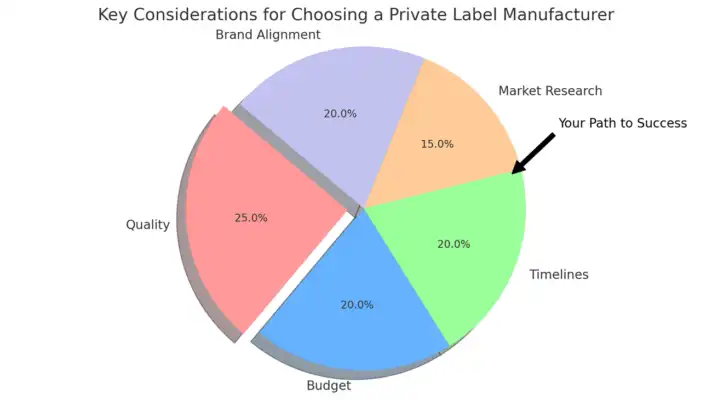
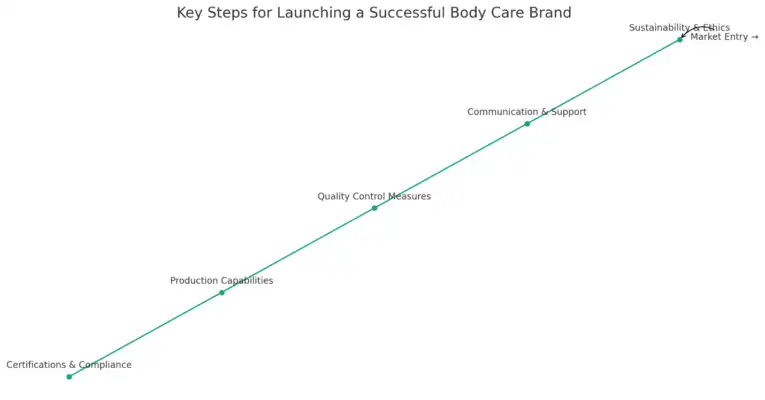
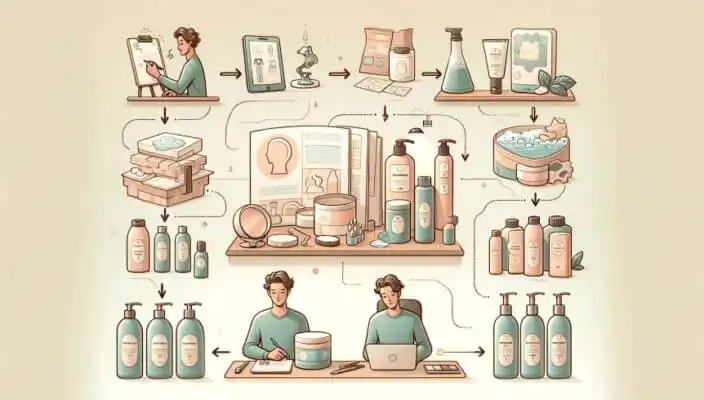
Market research and identifying target audience, choosing the right body care products, selecting a reliable private label body care manufacturer and designing custom packaging and branding

Creating Your Branding and Packaging


When you are creating your packaging and branding, think of it as an object on which your identity and your audience’s dreams will meet. Let us examine the art of creating a brand that not only makes an impression on observers but also leaves a lasting impression on them.


1. Creating an Identity: Your brand’s melody is its distinctive and memorable moniker that strikes a chord with your target market. This is a beautiful composition that captures the soul of you, not simply a collection of letters. Work together with your Manufacturer, be open to suggestions, and shape a name that will serve as a guide for your skincare mission. Transcend the material and explore the visual realm with your logo, which serves as your brand’s face.

This little yet powerful sign catalyzes identification on a personal level. Create a logo in close collaboration with your provider that reflects your goals, values, and desired narrative. Let your visual identity be a weaving of feelings that entices customers into what you offer, whether it’s via vivid exuberance or minimalist elegance.


2. Packaging as a Useful Art Form: Packaging serves as more than simply a container; it’s the customer’s first point of contact with your business. The skill is in selecting packaging that combines style and usefulness. Together with your supplier, choose materials that will both preserve your priceless products and provide a tactile experience.

It’s all about developing a ritual—an unwrapping that makes your consumers feel excited and anticipatory. Take into account each body care product’s packaging’s dimensions and features. While serums and oils may need dropper bottles, creams and lotions may require squeeze tubes or jars. Make sure each product type’s packaging is practical and easy to use.

Allow your brand to resonate with an earthly dedication. Picture the first time someone holds your product. Your branding and packaging arrange a psychological symphony that gradually develops. The brand name, logo, and packaging all serve as emotional conduits, creating a bond that goes beyond transactional limits.

Types of Private Label Body Care Products

You may include a wide range of items into your brand, each serving as a means for customer service and an opportunity for personal expression.


  1. Body Lotion & Creams:Indulge your senses in the luxurious embrace of body lotions and creams. Formulated to nourish and hydrate the skin, these products are crafted with precision, combining natural ingredients and advanced skincare technology. Whether it’s promoting skin elasticity or combating dryness, our manufacturing expertise ensures the creation of formulations that stand out, fostering a loyal customer base for your brand.


  1. Body Scrubs & Salts:Boost the body care routine with our exquisite range of scrubs and salts. Designed to exfoliate and invigorate the skin, these products enhance the overall texture, leaving a radiant glow. Our options are characterized by carefully selected ingredients that promote a spa-like experience, offering your customers an indulgent self-care ritual they’ll cherish.


  1. Body Treatments:Discover the transformative power of specialized body treatments. From cellulite creams to stretch mark solutions, our body treatments cater to specific skincare concerns. Our commitment to innovation and quality ensures that your brand’s offerings meet the evolving demands of consumers, fostering trust and satisfaction.


  1. Deodorants:Stay fresh and confident with our deodorants. Infused with effective odor-neutralizing ingredients, these products offer long-lasting protection. Our commitment to quality extends to the creation of deodorants that are not only reliable but also align with diverse preferences, ensuring your brand caters to a broad spectrum of consumers.


  1. Bath and Shower Products: The enchantment of private-label body care elevates everyday bathing beyond the ordinary. Consider making opulent bath oils, energizing shower gels, and fizzy bath bombs that turn everyday routines into unforgettable getaways. Customers aren’t just washing when they submerge themselves in the luxury of your bath and shower products; they are on a sensory excursion. The sensations, textures, and scents become essential to their day, creating a bond that transcends practicality and turns into a beloved self-care routine.


  1. Specialized Products (such as organic, anti-aging): The quest for personalized care creates opportunities to develop products that cater to particular demands. Expert products help you carve out a place in the industry, whether creating intense antioxidant-infused anti-aging serums or curating an organic skincare line that honors the purity of nature. Offering answers based on personal beliefs and goals is where one’s feelings in this situation are found. Customers who want anti-aging products aren’t only for smoother skin; they’re also after an ageless glow that reflects their inner energy. Similarly, those who choose organic skincare products are investing in their environmental sustainability and overall well-being.

Quality Assurance and Compliance


Are you aware of the necessary steps to guarantee that your goods not only fulfill but beyond all expectations? Choosing the appropriate manufacturer is one of the first tasks.

Private-label beauty product quality control is a multi-step, tedious procedure. It guarantees customer happiness, brand coherence, legal compliance, and consumer safety. Some of these procedures include a final quality assurance check, stability testing, microbiological inspections, safety and toxicological assessments, effectiveness testing, and visual inspections. This procedure ensures standards are fulfilled and upheld by validating the product and its packaging.

Whether your goal is to start your own beauty company or become a cosmetologist, it’s essential to comprehend the complex legal and regulatory landscape. Let’s look at the core of cosmetic laws, which is the intersection of consumer education, safety, and health.


The Cosmetics Guardians:


When you study the universe of body care production, you may wonder: who is in charge of this enormous field? Is it the powerful Federal Drug Administration (FDA) or some other mysterious organization? The unsung heroes of the cosmetics business are the regulations—the unseen strands that subtly instill consumer knowledge and safety. The FDA is the main player in the US, closely monitoring the production and labeling of products that are shown on the shelves of cosmetics fans.


Cosmetic rules are a complex web of legislation designed to prevent harmful health consequences and to improve safety. They are not just suggestions. The Federal Food, Drug, and Cosmetic Act, as well as the Fair Packaging and Labeling Act, serve as sentinels in the US, defending the integrity of cosmetics. These regulations guarantee that the attraction of beauty does not jeopardize the welfare of the customer.


But laws pertaining to cosmetics transcend national boundaries; they are present in every legislation in the world. Within the European Union (EU), the Commission assumes the role of chief executive, guaranteeing that final products comply with strict standards. Every nation, guardian of its own standards for appearance, moves to the tune of its own regulatory symphony.


All cosmetics, which are composed of a harmonious combination of substances, need to have their labels properly labeled. Manufacturers are governed by Federal regulations included in 21 CFR 740.11, 740.12, and 740.17. In accordance with the 21 CFR 740.10 cosmetic act warning, the product’s name, the Manufacturer’s address, and the motion of warnings are carefully positioned to educate and protect.


Specific to States:


However, the legal situation varies in each state. Each state, like California, Washington, and Minnesota, has its own beat and introduces rules that fit in with the federal rhythm. States that harmonize with the federal overture make the symphony richer.


Every cosmetic reveals its components behind the glamourous curtain, a display for discriminating consumers to examine. Transparency is required by law, not only as a fad. An ingredient list, which serves as evidence of responsibility, enables customers to comprehend the secret formula that creates the appeal.

Collaborating with a Private Label Body Care Manufacturer


Finding the ideal private-label Manufacturer is like finding a trustworthy partner on the path to beauty. It’s about an alchemical synergy that turns the concept of your business into physical body care valuables, not simply about manufacturing. 

The trip starts with the realization that not all manufacturers are made equally. Not only should your selected craftsperson be an expert in your product category, but they should also blend in seamlessly with the particular components your brand demands. 


The Manufacturer should use a skill like a master artisan, whether it’s in the form of fluidity for creams and liquids or the solid elegance of body care products. If your business supports natural or organic products, the Manufacturer has to be able to find these materials and treat them with the respect they need.

Certifications are in tune with the dedication to excellence, much like symphonic notes. The distinctions that set the extraordinary apart from the ordinary include badges of honor such as Good Manufacturing Practices (GMP), ISO Certifications, or the appeal of ECOCERT for natural and organic certified items. The certifications from the Manufacturer you have picked should complement your brand’s core values rather than merely match industry norms.

Handling Regulatory Obstacles Using Market Intelligence:

Knowing your target market is essential for managing regulatory challenges. Ask about current initiatives and certifications that align with your goals in those areas. For complicated products like body care, where proximity improves manufacturing dependability, think about the art of outsourcing. Your Manufacturer should not only conform but also sync with the regulatory pulse of the areas you have selected in the delicate move around of market alignment.

Support, Budgets, and Communication:

A key component of the selection process is keeping a consistent pace in communication and budgetary concerns. A manufacturer ought to be a reachable collaborator rather than a remote one. Strong customer service and efficient lines of communication become the threads that bind a cohesive team effort together.

What manufacturers do you recommend? This is when awilkebranding, your journey’s guidance, enters the picture. It’s a firm, but it’s also a force multiplier for your brand. Why get bogged down in the details of study when awilkebranding may reliably and efficiently light the way? It saves hours of research by acting as a link between your vision and the market.

Choosing a Wilkebranding has benefits that go far. Research hours decrease, examination speeds up, and preliminary conversations become deliberate steps toward your skincare goals. To begin your brand with us, kindly click the button below to get started.


Click Here To Get Started


Marketing Strategies for Private Label Body Care


Defining Your Audience: Determining who your target audience is—not simply as customers, but as distinct people with goals and objectives and specific body care journeys—should be the first stroke on your marketing board. Examine in-depth behavior, psychographics, and demographics. Who are these people? What influences their decisions on body care? The hints of market research and a compassionate comprehension of their demands hold the solutions.


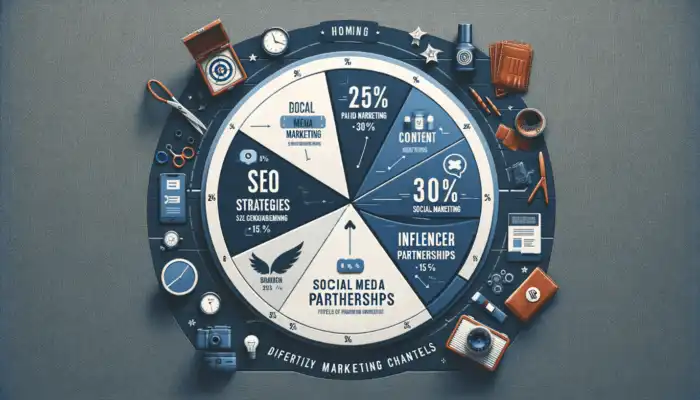
Choosing Appropriate Channels: Marketing channels serve as more than simply routes; they build a connection between your business and its target audience. Social media, the agora of today, entices with its lively dialogues. Influencer marketing takes on the role of the storyteller, expanding the scope of your tale. The storyteller, or content marketer, crafts a weave of content that speaks to authenticity. Select your channels carefully, considering the cultural terrain your business wants to travel as well as current trends.


E-commerce Website: An e-commerce website is a haven where buyers can fully experience the spirit of your business. It’s more than simply a platform. Whether it’s the streamlined lanes of Shopify or the expansive lanes of Amazon, your website becomes an expression of who your business is. Create a welcoming environment where product details are more than mere facts—they provide a story that helps clients with their skincare experience.


Customer Service: Customer service becomes the foundation of trust when it comes to things that happen outside of the transactional sphere. It’s about developing connections rather than simply providing answers to questions. Every exchange turns into a chance to build a relationship. This is more than just a service—it’s a commitment to support your clients as they pursue body care goals. Establishing trust and loyalty will come easily.


Building Relationships: Understanding the pulse of relationships is a key component of sales analysis, which goes beyond simple numerical analysis. Keep track of both the transactions and the narratives that emerge from each buy. What appeals to your target audience? Which stories make them happy? A guide that directs you towards revenue targets and an awareness of the feelings that your brand generates is sales analysis.


Final Thought


The process of private-label body care is exciting. Every stage of the process, from designing flawless branding and packaging to managing legal issues to doing market research to creating a cohesive marketing and sales analysis, reveals a new chapter in the history of your business.


However, how do you even begin? Awilkebranding, has you covered. We are the driving force behind your aspirations for private-label body care—we are more than just a company. You may obtain a reliable ally and expedite your path by getting in touch with Awilkebranding.


We are the Manufacturer you need for your branding; Awilke branding serves as the link between your idea and the booming beauty business. Click the button below and watch how your own body care narrative comes to life. Success, your brand, and your tale are waiting for you.

Contact Us For More Private Label Services!

Contact Us For More Private Label Services!

Mastering Private Label Hair Care with Ease: Transform Your Passion into Profit

Ever thought about venturing into private label hair care? Are you passionate about creating products that cater to the unique needs of individuals? If so, you’re definitely in the right place!

The hair care industry is booming, with more and more consumers seeking products tailored to their specific needs.

According to Globe News Wire, the shampoo market is booming. Back in 2022, it was already a whopping $91.60 billion industry. And guess what? It’s expected to soar even higher, reaching around $147.49 billion by 2030.

This just goes to show that the world of hair care is ripe with opportunities for entrepreneurs like you to jump in and make a splash with your unique brand.

With private label hair care, you have the control to set competitive prices, ensuring your brand remains both high-quality and accessible.

So, if you’ve been nurturing the dream of starting your own hair care line, now is the time to take that leap.

Stay tuned as we guide you through the journey of turning your passion for hair care into a profitable, rewarding venture!

The Advantages of Starting Your Own Private Label Hair Care Business

Embarking on a private label hair care business is not just a venture, but a journey of creativity and entrepreneurship. Here are the core benefits of diving into this exciting industry:

  • Tailored Branding and Products

With private labeling, you’re the artist of your brand. Craft custom products like shampoos, conditioners, and more, all wrapped in packaging that tells your brand’s story. This personal touch can strike a chord with your target audience, setting you apart in the market.

  • Multiple Revenue Streams

The hair care industry is a treasure trove of possibilities. Whether it’s eco-friendly shampoos or chic styling tools, diversifying your product line can open doors to various customer needs and preferences, paving the way for multiple income sources.

  • Ease of Entry

Launching a private label hair care brand doesn’t have to be daunting. The minimal initial investment needed makes it a compelling choice for budding entrepreneurs, allowing you to innovate and make your mark in the competitive beauty landscape with ease.

  • Flexible Manufacturing Choices

Whether you’re starting small or dreaming big, private label manufacturing adapts to your vision and budget. Begin with off-the-shelf solutions and, as you grow, consider bespoke options like contract manufacturing or working directly with chemists for that extra layer of personalization.

Steps in Starting Your Private Label Hair Care Brand

Starting your own private label hair business journey is an adventure filled with learning and growth. 

Here’s how you can begin:

Step 1: Dive into Market Research

Before you even think about products or branding, you need to understand who you’re selling to.

  • Who is your ideal customer?
  • What problems do they face with their hair, and what solutions are they seeking?
  • Are they looking for eco-friendly products, or are they more concerned about price?

Understanding your audience isn’t just about demographics; it’s about getting into their heads and hearts.

Conduct surveys, read online forums, or even hold focus groups. Your goal is to uncover not just what they need, but also what they crave

Step 2: Tackling Legalities

Navigating the legal landscape is crucial. Ensure you’re up to date with the regulations in the hair care industry, including labeling and safety standards.

Also, consider certifications like organic, vegan, or cruelty-free if they align with your brand philosophy.

These certifications can be powerful selling points and help establish credibility and trust with your audience.

Step 3: Nailing Production and Quality

Start with small batches. This allows you to test the market, get feedback, and make improvements without overcommitting resources.

Quality should be your mantra. Consistent, high-quality products will not only satisfy your customers but also build the reputation of your brand.

Implement stringent quality control processes and always aim to exceed industry standards.

Step 4: Get Your Products Ready

Partnering with a private label manufacturer who is well-versed in legal and regulatory requirements is s shortcut to launch a successful brand.

Understanding the importance of choosing the right private label manufacturer is crucial.

In the next section, we’ll delve into how to establish a successful partnership with manufacturers, ensuring your private label venture thrives from the outset.

How to Partner with Private Label Hair Care Manufacturers

Understanding Private Label Hair Care Manufacturing

Private label manufacturing involves producing goods by one company to be marketed under another company’s brand name.

In the context of hair care, it means creating hair products that you can sell under your own brand.

This approach is popular due to its cost-effectiveness and the ability to launch products quickly without the need for extensive research and development.

Finding the Right Private Label Hair Care Manufacturer

1. Research

Start by researching potential manufacturers who specialize in hair care products.

Look for those with a strong track record and positive customer reviews. Consider their experience in the industry and their capacity to meet your specific product needs.

2. Evaluate Their Expertise and Capabilities

Ensure the manufacturer understands the hair care market and can offer products that align with your vision. Assess their production capabilities, quality control processes, and compliance with relevant industry standards.

3. Request Samples

Before making any commitments, request samples of the products. This will allow you to test the quality firsthand and ensure it meets your standards and aligns with your brand’s image.

Building a Strong Partnership with private label manufacturer

1. Communicate Your Brand Vision

Clearly articulate your brand vision, target audience, and the unique selling points of your products. This will help the manufacturer understand your requirements and deliver products that resonate with your brand.

2. Negotiate Terms

Discuss and negotiate terms such as pricing, minimum order quantities, lead times, and payment terms. It’s important to establish a mutual understanding and agreement to avoid future complications.

3. Quality Assurance

Emphasize the importance of quality in your discussions. Make sure the manufacturer has robust quality control measures in place to ensure consistent product quality.

4. Packaging and Branding

Work closely with the manufacturer on the packaging and branding aspects of your products. The packaging should reflect your brand’s ethos and appeal to your target market.

5. Plan for Scaling

As your business grows, your manufacturing needs will change. Choose a manufacturer who can scale with you and meet increased demands without compromising on quality.

Legal and Regulatory Compliance

1. Ensure Compliance

Verify that the manufacturer adheres to all relevant regulatory standards and laws. This includes compliance with safety standards and regulations governing the hair care industry.

2. Protect Your Brand

Consider legal aspects such as trademarking your brand name and ensuring that your agreement with the manufacturer protects your intellectual property.

3. Regular Updates and Communication

Maintain open lines of communication with your manufacturer. Regular updates and feedback can help in swiftly addressing any issues and ensuring a smooth production process.

Navigating Natural Hair Care Trends & Packaging Evolutions

In the bustling market of hair care, brands thrive by standing out. A competitive advantage comes from offering what others don’t – this includes a commitment to organic ingredients, innovative formulations, and packaging that speaks volumes.

What Customers Are Looking For

People today don’t just buy shampoo because it cleans their hair– they want to know if it’s friendly to the earth, what’s in it, and even if the packaging is aesthetically pleasing!

Embracing Natural Hair Care Trends

Jumping into this world of organic and natural hair care isn’t just about keeping up with trends – it’s about offering something that’s good for both people and the environment.

Consumers are on the lookout for products that are safe, gentle, and effective. They’re drawn to items packed with wholesome ingredients that nourish their hair and respect the world around them.

And they love knowing exactly what they’re putting on their strands – so being clear and honest about your ingredients can really make your brand stand out.

Developing Custom Formulations

Creating a custom formulation is like being a chef in a gourmet kitchen. It involves a blend of science, creativity, and a deep understanding of what your customers want. Here’s a step-by-step breakdown:

  1. Identify the Need

Before you start mixing and matching ingredients, you need to know what gap you’re filling in the market.

Is there a demand for a hydrating shampoo for curly hair? Or maybe a need for a natural, scalp-soothing serum?

Understanding these needs is your first step.

  1. Choose Your Ingredients Wisely

The ingredients are the heart of your formulation. You’ll want to choose them based on their benefits, sourcing, and how they align with your brand ethos.

For example, if your brand is all about sustainability, you’ll lean towards ethically sourced, natural ingredients.

If you are new to this area, easy! Find a reliable private label manufacturer, to have the ready-to-use formulation, usually the experienced manufacturers will have the best-sellers’ ingredients. 

  1. Trial and Error

Formulation is a process of experimentation. You’ll likely go through several iterations before you find the perfect blend.

Remember, patience and precision are key here.

  1. Safety and Efficacy Testing

Once you have a promising formulation, it’s time to test for safety and efficacy.

This is crucial to ensure that your product is not only effective but also safe for use.

  1. Feedback and Refinement

Getting feedback from potential users can provide valuable insights. Use this feedback to tweak and improve your formulation.

Considerations for Packaging Design

Your packaging is a big part of your brand’s story. It’s about catching someone’s eye, sharing your brand’s message, and making sure the product inside stays fresh and usable.

If your brand is all about being kind to the earth, think about using packaging that’s recyclable or made from sustainable materials.

  • Functionality: Is the packaging user-friendly? Does it protect the product effectively?
  • Aesthetics: Does the design align with your brand? Is it visually appealing to your target market?
  • Sustainability: If your brand is environmentally conscious, consider eco-friendly packaging options.


Key Elements in Formulation and Packaging

Element Importance in Product Development Considerations and Details
Ingredients The foundation of your product’s efficacy and appeal.
  • Select hair-nourishing ingredients
  • Source ethically and sustainably
  • Be aware of allergens
  • Keep up with ingredient trends
Formulation Process Critical for creating a unique, effective product.
  • Experiment with formulations
  • Conduct safety and efficacy tests
  • Ensure product stability
Packaging Design Balances functionality, aesthetics, and environmental impact.
  • Functional and user-friendly design
  • Reflects brand identity
  • Uses sustainable materials
  • Clear and compliant labeling
Market Feedback Essential for refining the product to meet customer needs.
  • Collect feedback through consumer trials and surveys
  • Test market response with pilot launches

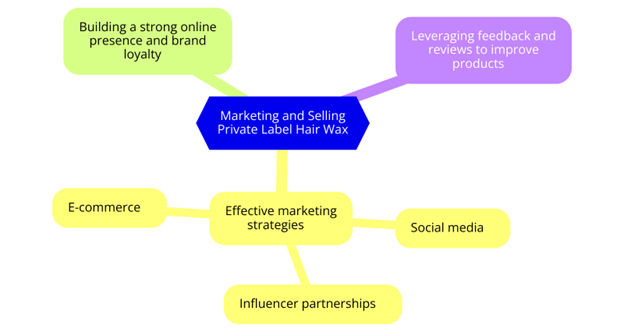
Marketing and Selling Your Hair Care Products

In today’s fast-paced beauty market, having great products is just half the battle. The other half? Getting those products into the hands of eager customers.

This section is all about transforming your hair care line from a well-kept secret to a sought-after brand!

Understanding Your Audience

The first step in any successful marketing strategy is knowing who you’re talking to. Dive deep into understanding your target market.

What are their needs, preferences, and purchasing habits? This insight is crucial for tailoring your marketing efforts to resonate with your audience.

Leveraging Social Media

Social media is a powerful tool for building brand awareness and engagement. Platforms like Instagram, Facebook, and Pinterest are perfect for showcasing your products visually.

Share before-and-after photos, how-to videos, and customer testimonials. Engage with your followers through polls, Q&As, and interactive content.

Content Marketing

Content is king, and this holds true in the hair care market. Start a blog or YouTube channel offering valuable content like hair care tips, product usage guides, and industry trends.

This not only positions your brand as an authority in the field but also helps with search engine optimization (SEO), making your brand more visible online.

Email Marketing

Don’t underestimate the power of a well-crafted email campaign. It’s a great way to keep your customers informed about new products, special offers, and other brand news.

Personalize your emails to make your customers feel valued and part of your brand’s journey.

Effective eCommerce Strategies

In today’s digital age, having a strong online presence is essential. Ensure your website is user-friendly, mobile-optimized, and easy to navigate.

Implement SEO best practices to boost your visibility in search engine results. Also, consider selling on platforms like Amazon or Etsy to reach a wider audience.

Final Insights

Throughout this guide, we’ve explored the crucial steps in crafting a unique hair care line, from understanding your market and developing standout products to effectively marketing and selling them.

Now, it’s time for action. If you’re ready to take the plunge into the world of private label hair care, there’s no better partner than Awilke Branding.

With our expertise, quality commitment, and supportive approach, we are perfectly positioned to help you turn your hair care aspirations into tangible success.

Visit Awilke Branding to begin your journey into the rewarding world of private label hair care.


Good luck!

Contact Us For More Private Label Services!

Contact Us For More Private Label Services!

Choosing the Right Contract Manufacturer for Your Skincare Brand: A Comprehensive Guide

Navigating the Complex World of Skincare Manufacturing

The skincare industry is experiencing an unprecedented surge, with consumers becoming increasingly conscious about skincare routines and the products they use. According to a report published on Statista, revenue in the skincare market amounts to $181.2 billion in 2023. The industry is expected to grow at a compound annual growth rate of 3.06% from 2023 to 2028. As entrepreneurs like you step into this thriving market, the importance of choosing the right contract manufacturer can be helpful.

In this article, we will provide you with a detailed guide, including the factors to consider when choosing a contract manufacturer for your skincare brand. But before that, let us briefly discuss difference between private label and contract manufacturing.

Difference Between Private Label and Contract Manufacturing

When diving into the skincare industry, one of the pivotal decisions you’ll face is whether to opt for private label products or engage in contract manufacturing. Each approach has its distinct advantages and considerations, and understanding these differences is crucial for making an informed choice tailored to your brand’s unique needs.

Importantly, it’s worth noting that some manufacturers offer the flexibility to cater to both private label and contract manufacturing needs, providing businesses with versatile solutions.

Private Label Manufacturing:

  1. Pre-existing Formulations:

Private label manufacturing involves selecting ready-made formulations that are already developed and tested by the manufacturer. These formulations are generic and can be labeled with your brand name and logo. This option offers convenience, allowing you to market products swiftly without the extensive research and development phase.

  1. Limited Customization:

While private label products provide speed to market, they offer limited customization options. You can typically choose from existing scents, colors, and packaging options, but substantial alterations to the formulation might not be possible. This limitation might affect your ability to create a truly unique product in a competitive market.

  1. Cost-Effectiveness:

Private label products are generally more cost-effective upfront because the formulations are pre-made and shared among multiple brands. This can be advantageous for entrepreneurs with limited budgets or those testing the market without substantial financial commitments.

  1. Speed to Market:

Since the formulations are pre-existing, private label products can be launched relatively quickly. This rapid turnaround time is beneficial if you want to seize immediate market opportunities or respond swiftly to trends.

Contract Manufacturing:

  1. Tailored Formulations:

Contract manufacturing, on the other hand, offers a highly customized approach. It involves working closely with the manufacturer to develop unique formulations tailored to your brand’s specifications. This level of customization allows you to create products that align perfectly with your brand identity and meet specific customer demands.

  1. Greater Control:

Contract manufacturing provides you with greater control over the ingredients, quality, and overall composition of your products. You can choose organic, cruelty-free, or specialized ingredients, ensuring that your skincare line reflects your brand values. This control is essential for brands emphasizing natural or niche ingredients.

  1. Brand Differentiation:

With contract manufacturing, you can differentiate your brand significantly. By offering innovative formulations, you can stand out in a saturated market. This uniqueness not only attracts customers but also fosters brand loyalty, as consumers recognize and appreciate the quality and innovation behind your products.

  1. Long-Term Sustainability:

Contract manufacturing supports long-term brand sustainability. As your brand grows, you can continue to innovate, introducing new products and formulations. The manufacturer’s research and development capabilities become invaluable, helping you stay ahead in an ever-evolving industry.

Understanding Your Skincare Brand Needs

Before delving into the intricacies of selecting a contract manufacturer, it’s imperative to embark on a journey of self-discovery for your skincare brand. Understanding your brand needs goes far beyond simply knowing your products; it involves crafting a holistic vision that resonates with your target audience. Begin by defining your brand identity. Ask yourself the following questions.

  • What sets your skincare products apart?
  • Is it a commitment to organic, cruelty-free ingredients, or perhaps a focus on cutting-edge anti-aging technology?

Understanding your unique selling propositions (USPs) forms the bedrock of your brand’s identity, allowing you to communicate a compelling story to your customers.

Moreover, consider your brand’s values and mission. Are you passionate about sustainability, empowering confidence, or promoting wellness? Integrating these values into your skincare line not only creates a genuine connection with your audience but also guides your choice of ingredients, formulations, and manufacturing processes. By diving deep into these aspects, you not only define your brand but also pave the way for a successful partnership with a contract manufacturer that shares your vision and passion.

Conducting Market Research

In the ever-evolving landscape of the skincare industry, thorough market research stands as the cornerstone of a brand’s success. Identify emerging ingredients and formulations that resonate with health-conscious consumers, staying abreast of the clean beauty movement, sustainable practices, and innovative technologies. Tools like Google Trends can help you understand which skincare ingredients are more in demand.

Understanding customer preferences is equally pivotal. Engage with your potential clientele through surveys, social media polls, and focus groups to grasp their skincare rituals, pain points, and product expectations. By deciphering their desires, you can craft products that not only meet but exceed their expectations, fostering brand loyalty and positive word-of-mouth.

Analyzing competitors’ offerings provides invaluable insights into market saturation and gaps. Identify areas where competitors excel and areas they overlook, pinpointing opportunities for your brand to shine. Recognizing these gaps empowers you to conceptualize unique products that cater to unmet needs, setting your brand apart in a competitive market. Moreover, studying competitors’ strategies helps you refine your marketing approach, ensuring you communicate your brand’s strengths effectively.

Factors to Consider When Choosing a Contract Manufacturer

  1. Product Integrity and Expertise:

Quality is non-negotiable in the skincare industry. Assess the manufacturer’s quality control processes, certifications, and ingredient sourcing to ensure they meet industry standards and align with your brand’s values. Ensure they meet stringent quality standards, allowing you to deliver high-quality skincare products to your customers.

  1. Production and Research and Development Capability:

It’s crucial to determine the manufacturer’s production volume and their ability to innovate by developing new products. Assessing their capability in both areas ensures they can meet your quantity requirements while staying ahead with innovative offerings.

  1. Comparing Manufacturer Prices:

Similar to how you assess prices before making any purchase, it’s essential to compare the pricing structures of different manufacturers. Conduct thorough research to identify a manufacturer that provides excellent value for your investment, ensuring you get the best quality products within your budget.

  1. Verifying Manufacturer Credentials:

Certificates such as ISO22716, GMP, FDA, GMPC, Sedex, and BSCI serve as indicators of a manufacturer’s credibility and the superior quality of their offerings. These certifications instill confidence in their reputation and assure you of the products’ high standards.

      5. Communication and Transparency:

Effective communication is key to a successful partnership. Evaluate the manufacturer’s responsiveness, transparency, and willingness to provide updates on the production process. Evaluate how promptly the manufacturer responds to your inquiries, concerns, and requests. A responsive manufacturer demonstrates attentiveness and is more likely to address your needs promptly, fostering a productive working relationship.

How to Analyze Potential Skincare Contract Manufacturers

Evaluating potential skincare contract manufacturers requires a meticulous approach to ensure your brand’s reputation and product quality remain uncompromised.

  1. Thorough Research

Informed decisions form the foundation of a successful partnership. Start with comprehensive market research to gauge reasonable service prices. Seek recommendations from industry peers and friends. Prioritize specific standards like cruelty-free, vegan, and gluten-free products. Reputable companies often showcase these qualities on their websites, making it easier to identify potential partners.

  1. Define Your Priorities

Clarify your brand’s non-negotiables, such as accessibility, attention to detail, problem-solving capabilities, quick turnaround times, and communication channels. Your chosen manufacturer should align with these priorities, possessing the expertise and resources to meet your brand’s unique demands.

  1. Approach Potential Manufacturers

Armed with knowledge and clear priorities, engage in meetings with prospective manufacturers. Pose essential questions regarding their materials, pricing structures, fees, bulk benefits, quality standards, and minimum order quantities (MOQ). Prepare a detailed brief outlining your expectations to minimize misunderstandings.

  1. Emphasize Good Manufacturing Practice (GMP)

Prioritize manufacturers practicing Good Manufacturing Practice (GMP) standards, ensuring adherence to quality and safety regulations. Familiarize yourself with GMP basics to make informed decisions about your chosen partner. Assess their facilities meticulously, favoring those operating in UL-audited, FDA and EPA-registered establishments, mirroring the stringent GMP standards upheld by skincare contract manufacturers.

  1. Sample Testing

Request product samples from your top candidates. The quality of the sample serves as a litmus test; even if a manufacturer tick’s other boxes, sub-standard samples indicate a lack of suitability. Pay attention to every detail, ensuring your chosen manufacturer delivers products that meet your brand’s excellence standards.

Cost Analysis and Budgeting

Cost analysis and budgeting are pivotal steps in choosing a skincare contract manufacturer. While budget constraints are natural concerns for entrepreneurs, it’s crucial not to compromise on quality and innovation solely for the sake of a lower price tag. Instead, focus on achieving a balance that ensures your products meet the desired standards while staying within your financial limits.

When assessing costs, consider the entire production process. This includes raw materials, formulation expertise, manufacturing equipment, quality control measures, and packaging. Request detailed quotes from potential manufacturers, breaking down the costs for each component. Analyze these quotes meticulously, ensuring there are no hidden expenses that might inflate your budget unexpectedly.

Moreover, negotiate pricing based on the value offered. Evaluate the manufacturer’s quality assurance protocols, production capabilities, and innovation potential. A slightly higher cost might be justified if the manufacturer offers superior quality, advanced technology, or unique formulations that can elevate your brand above the competition. Assess the long-term benefits of investing in a high-quality partnership, including customer satisfaction, brand reputation, and potential for product expansion.

Choosing Your Skincare Manufacturing Ally

As you stand at the crossroads of selecting the perfect skincare contract manufacturer for your brand, it’s essential to synthesize the wealth of information gathered during your evaluations. A critical aspect in this decision-making process is understanding that experienced manufacturers possess a wealth of knowledge about the market. They are not only aware of the industry trends but also have insights into what products are most popular among consumers.

  • For instance, manufacturers in regions like China are well-versed in the production of popular skincare items, often offering competitive prices due to their extensive experience and streamlined production processes. This knowledge can be invaluable, providing you with helpful advice and potential directions for your product line.

Here are some of the tips to help you choose the right skincare contract manufacturer for your beauty brand.

  1. Evaluating Track Records:

Delve deep into the manufacturer’s history by exploring their past partnerships. Look for brands that share similar values and market positioning. A thorough analysis of their previous collaborations provides insights into their expertise and reliability, helping you make an informed decision.

  1. Reviewing Product Portfolios:

Carefully examine the manufacturer’s product portfolios to assess the quality and innovation demonstrated in their previous work. Look for uniqueness and creativity in their formulations. By understanding the depth of their expertise, you can gauge their ability to meet your specific requirements and deliver outstanding skincare products.

  1. Considering Client Testimonials:

Take the time to read client testimonials and assess the level of satisfaction among their partners. A manufacturer with positive feedback and a strong industry reputation indicates a history of reliable service. Learning from the experiences of others can provide valuable insights into the manufacturer’s commitment to client satisfaction and product quality.

  1. Ensuring Regulatory Compliance:

Verify the manufacturer’s adherence to essential quality certifications, such as Good Manufacturing Practices (GMP), and their compliance with local and international regulations. Scrutinize their quality control processes to ensure they meet the stringent requirements of the skincare industry. Regulatory compliance is fundamental to the safety and legality of your products.

  1. Measuring Reliability and Expertise:

Analyze the manufacturer’s successful collaborations to understand their reliability and expertise. Look for indicators of long-standing partnerships and satisfied clients. A manufacturer with a proven track record of consistent, high-quality products and a deep understanding of skincare formulations demonstrates the reliability and expertise essential for a successful partnership.

Ultimately, the right contract manufacturer for your skincare brand is the one that aligns seamlessly with your ethos and long-term goals. Choose a partner who not only meets your immediate production needs but also understands your brand vision, contributing to your growth and success in the competitive skincare market.

Conclusion

Selecting the right contract manufacturer for your skincare brand is a pivotal decision that can shape your brand’s success. By understanding your brand needs, conducting comprehensive research, and evaluating manufacturers based on essential criteria, you can make an informed choice. Remember, the partnership you forge will impact not only the quality of your products but also your brand’s reputation in the market.
In this context, Awilke Branding emerges as the ultimate choice for skincare startups. With a wealth of knowledge spanning product formulation, marketing strategies, innovative packaging solutions, and more, Awilke Branding offers unparalleled expertise crucial for a thriving skincare business. Awilke Branding not only provides the necessary manufacturing capabilities but also becomes a strategic ally, ensuring your products not only meet but exceed the expectations of your customers.

Skincare Brand Starter Checklist

Introduction

Embarking on a journey in the beauty and skincare industry can be incredibly rewarding. However, a successful endeavor requires more than just passion; it demands a solid business plan. This document serves as your roadmap, outlining your business goals and the strategies to achieve them. If you’re considering launching a private label line, partnering with a reliable company like Awilke Branding can streamline the process significantly.


Scroll down to the bottom for our little support for your business.

Crafting a Business Plan for Your Beauty and Skincare Business

  1. Understanding the Market

The first step in creating a business plan is conducting a comprehensive market analysis. This involves studying your potential customers, understanding their needs and preferences, and identifying trends within the beauty and skincare industry. It also includes analyzing your competition to determine what sets you apart. Market research will help you create products that resonate with your target audience and position them effectively in the marketplace.

  1. Defining Your Brand

Next, you need to define your brand. What do you stand for? What makes you unique? Your brand identity should reflect your business values and appeal to your target audience. It includes your brand name, logo, color scheme, and overall aesthetic, but it also encompasses your mission, vision, and the story you want to tell.

  1. Sourcing and Manufacturing

When launching a private label line, sourcing, and manufacturing become critical aspects of your business plan. This is where a partner like Awilke Branding comes in. With their expertise, you can ensure high-quality product development, from choosing the right ingredients to adhering to safety standards. They can guide you through the entire process, ensuring your products align with your brand identity and meet your customers’ expectations.

  1. Marketing and Sales Strategy

Your business plan should also outline your marketing and sales strategy. How will you promote your products? Which channels will you use to reach your audience? Consider all aspects of digital marketing, including SEO, social media, content marketing, and email marketing. Also, think about your sales channels. Will you sell online, in physical stores, or both?

  1. Financial Projections

A crucial part of your business plan involves making financial projections. This section should include your pricing strategy, projected sales, costs, and profitability. It’s important to be realistic but optimistic, ensuring your business can be profitable while still offering competitive prices.

Final Thoughts

Crafting a business plan for your beauty and skincare business is no small task, but it’s an essential one. It provides a clear direction for your business and helps you anticipate challenges and opportunities. Remember, if you’re planning to launch a private label line, partnering with a reliable company like Awilke Branding can make the process much smoother. With careful planning and strategic partnerships, your beauty and skincare business can thrive.

Ready to take the next step?

This article provides the framework, but the devil is in the details. To ensure you don’t miss a critical step in planning for your skincare business’s success, we have created a detailed, expanded checklist. This exclusive resource breaks down each section of your business plan into actionable tasks to keep you on track.

Contact to download Free Launch Checklist & Roadmap and free consultancy – we’re happy to help you build a flourishing brand!


How to Start a Partnership with Us

Best Private Label Products for Barbershop Brand

Best Private Label Products for Barbershop Brand

Thinking to start a private label product line for a barbershop brand? Well, you have chosen a very lucrative business.

The multi-billion industry is growing year over year, and the trend is expected to not slow down any time. However, what are the best private label products for barbershop brands, you might wonder. This article will speak about the best private-label products for your barbershop brand.

Best Private Label Products for Barbershop Brand

Here are the various product categories with high margins that you can choose for a barbershop brand.

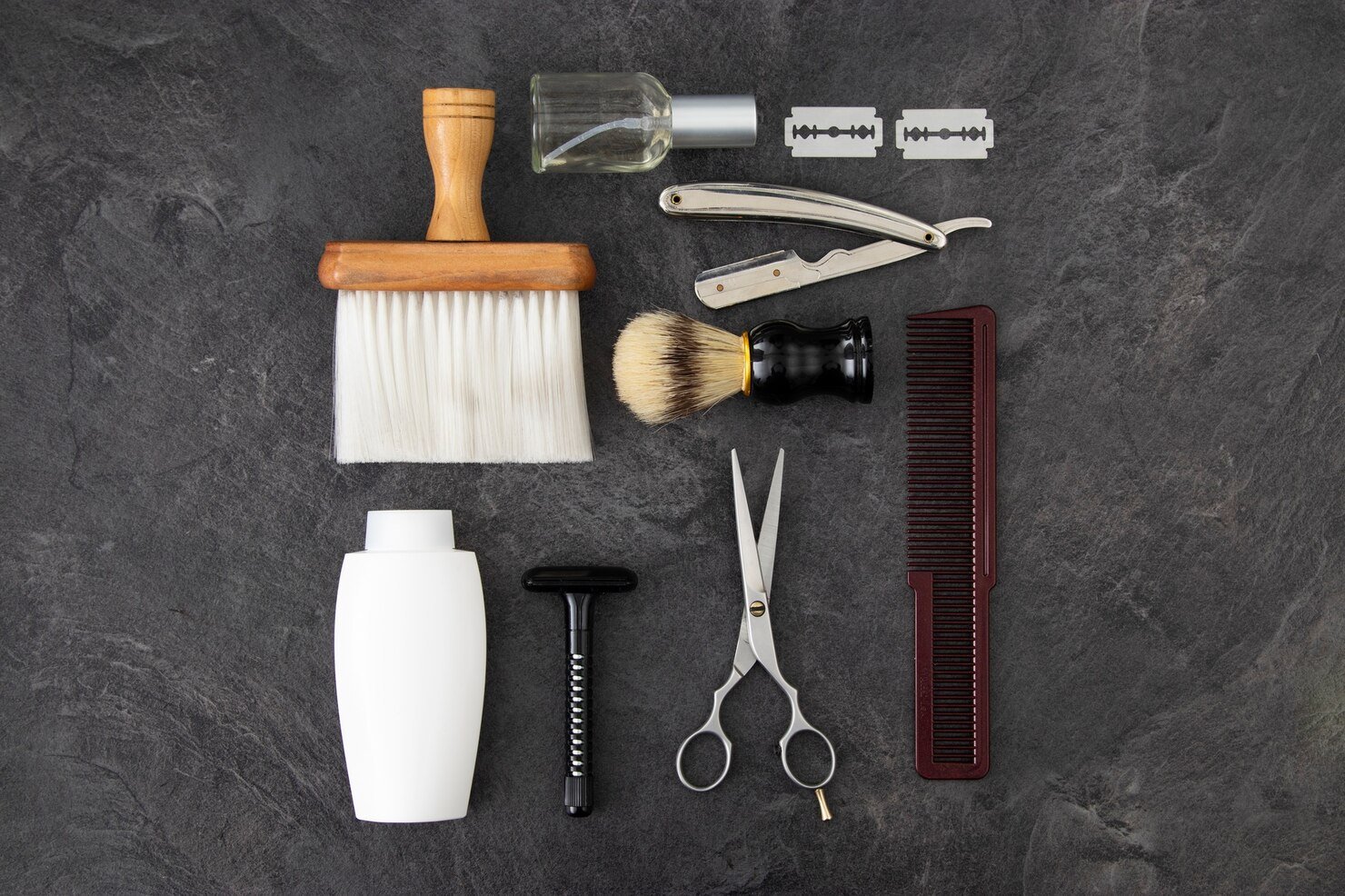
  1. Hairstyling Product

For a barbershop brand, hairstyling products are a must. Some of the various private-label products that you can source under this category include hair serum, hair styling gel, hair spa cream, hair spa concentrate, hibiscus gel, and color protection serum, among many others. These products always offer a higher profit margin so you can have the liberty to price them competitively.

  1. Shampoo and Conditioners

Anti-dandruff shampoo, color protection shampoo, color protection conditioners, and repairing shampoo, are among the various products that you can source under this category for your barbershop brand line. Choose a private label manufacturer that can offer high-quality products, this will allow you to boost the conversion rate, thereby driving revenue for your barbershop brand.

  1. Beard Products

Men are spending hundreds and thousands of dollars on beard products. Therefore, if you are running a barbershop brand, having a line of beard products is a must. Beard growth oil, beard softener and wax, beard wash, beard trimmers, and beard shampoo, are among the various products that you can maintain in the beard product category. Remember, only high-quality products are to be sourced for your private label line.

  1. Shaving Products

Pre-shave oil, shaving gels, shaving creams, and after-shave lotion, among others, are the different private-label products to source for your barbershop brand. By delivering high-quality products you will offer a remarkable experience, which will subsequently result in continuous sales of your shaving products line. With high margins, you can set up yourself for a successful barbershop brand.

Final Thoughts

Private-label products are a great way to start your barbershop brand. However, for running a successful and profitable business, ensure that you source products from a quality private-label manufacturer. All of the above are the different products that you can source to run a successful barbershop brand while making a higher profit margin from the revenue earned. Put some time and effort into finding the private label manufacturer and work in collaboration to source the right quality products.

Why Private Label Suppliers Can Make Your Brand Dream Come True?

The beauty industry is one of the most lucrative ones, with billions of products being sold around the world each year. Consumers across generations make use of cosmetic and personal care products every day. With such a huge market size, budding entrepreneurs have a dream to start their beauty brands.

If you are also looking to start your beauty brand consisting of an efficient product line, then you have come to the right place. In this article, we will discuss why private label suppliers can make your beauty brand dream come true.

Why Private Label Suppliers Can Make Your Brand Dream Come True?

  1. Easy To Start

Starting a new beauty brand requires a lot of resources and money to research, develop, and manufacture products. However, all of these things are taken care of when working with a private label supplier. Notably, private label manufacturers allow budding entrepreneurs to sell their products under a new brand name.
Therefore, as someone who is looking to start a beauty brand with fewer resources and a tighter budget, working with a private label supplier is the best foot forward. It will allow you to start your brand with relative easy. You only need to focus on marketing and branding.

  1. Best service

Another advantage of working with private label suppliers is the fact that they offer you the best service available. If you want to customize their product a bit, private label manufacturers allow you to do so. Moreover, private label manufacturer also allows you to order a minimum quantity.
They understand that as a startup you cannot order maximum quantity just yet. The best thing is that they allow you to order minimum quantities at the most affordable rates. All of these factors allow you to receive the best possible service when working with a private label supplier.

  1. Product and Market Idea Support

Apart from providing beauty startups with products, private label suppliers also offer help with product and market idea support. If you are in the beauty business, this one quality of private label suppliers can be a game-changer for your newly started beauty brand.
They will provide you with details on the recent market trends, and what products consumers are demanding more. Moreover, they will also help you to launch your product in the market with the right packaging and branding support.

Final Thoughts

There are several benefits at offer when you decide to work with a private label supplier for starting your beauty brand. Apart from offering you quality products, private labels can help you along the journey to launch and market your brand to the right demographics. Therefore, helping you realize your dream of starting a beauty brand.

What Ingredients are best for Uneven Skin Tone?

What Ingredients are best for Uneven Skin Tone?

For many, having an uneven skin tone is a common concern. At its simplest, an uneven skin tone refers to the irregular darkening of the skin. For people, looking to get rid of an uneven skin tone, there are a few different ways to consider. However, before we discuss how to prevent an uneven skin tone, let us first discuss, who has the problem of uneven skin color and what are the causes of uneven skin color.

Who Has the Problem of Uneven Skin Color?

A number of different people can have the problem of uneven skin color. However, people who are undergoing hormonal changes, which commonly occur during pregnancy, often face the problem of uneven skin color. In addition to pregnancy, older adults are more prone to having uneven skin color than younger adults for several reasons. Studies have also indicated that hyperpigmentation issues, including melasma and post-inflammatory hyperpigmentation, can occur across all skin types with aging.

What Causes Uneven Skin Color?

Several causes can lead to uneven skin color. However, the following are the most common ones.

  1. Sun Damage

Sun exposure triggers melanin production for protecting the skin. This can often lead to uneven skin color. Over a short period of time, this causes a tan to develop.
However, over a longer period, this sun damage can often lead to brown spots and uneven skin color.

  1. Acne

Another common cause of uneven skin color is acne, which can lead to skin inflammation and flushing. This can lead to uneven skin color. Some people even refer this to as post-inflammatory hyperpigmentation or hyperpigmentation acne.

  1. Pollution

Gasses and particles from traffic-related air pollution at times are able to penetrate the skin. This can often lead to the formation of brown spots, particularly on the face, therefore, leading to uneven skin color.

  1. Skin Damages

Burns, bug bites, and other types of skin trauma can also lead to post-inflammatory hyperpigmentation. Therefore, leading to uneven skin color.
Moreover, other skin conditions such as rosacea or dermatitis, can lead to flushing and give an appearance of uneven skin color.

How to Prevent Uneven Skin Color?

There are several ways to prevent uneven skin color, from simply using the wait-and-see approach to using skincare products and professional treatments.
Notably, skincare products that contain at least one of the following ingredients can help in preventing uneven skin color.

  1. Vitamin C

Vitamin C is a potent antioxidant that can offer protection against sun damage and thereby reduce the formation of melanin.

  1. Glycolic Acid

Glycolic acid is an excellent skincare ingredient, which works by removing dead skin cells to reveal healthier skin underneath. It can also help in reducing acne, sun-related aging, and hyperpigmentation.

  1. Salicylic Acid

Skincare products containing salicylic acid as the ingredient can be especially beneficial for post-inflammatory hyperpigmentation because of its anti-inflammatory effects.

  1. Retinol

Skincare products containing retinol as the ingredient can increase the cell turnover to speed up the generation of healthy and new skin. Therefore, improving an uneven skin tone.

Final Thoughts

People often wish to treat uneven skin color for cosmetic reasons. With several quality over-the-counter products available, one can use skincare products to have an even skin tone.
Awilke Branding offers private label skincare products with professional ingredients advice to help customers achieve best product and brand concept.

Why Do So Many Beauty Startups Choose Private Label Manufacturers as Suppliers?

Why Do So Many Beauty Startups Choose Private Label Manufacturers as Suppliers?

Formulating new beauty products is not easy. There are several health and safety concerns and certification issues to overcome, which are normally beyond the capabilities of most startups and small brands. Of course, the big players have the necessary resources and funding to use contract manufacturing for economies of scale. But for beauty start-ups, which do not have the necessary background and funding, choosing a private label manufacturer as a supplier is the best foot forward.

In this article, we will discuss about private label, the necessary things for entrepreneurs, and how to take advantage of private label products.

What Is Private Label?

Private label products are those which are created and made by a manufacturer, who then allows startups and other small businesses to sell them under their brand name. Simply put, a manufacturer will make the beauty products to be sold under another brand’s label. Being said that, the manufacturer retains complete control over the product.

Moreover, both the manufacturer and their products are fully certified. Thus, beauty brands do not have to worry about the health and safety concerns associated with the product. Of course, private label manufacturers have their own standard products. However, they often provide beauty startups with an option to tweak formulations, developing a bespoke product that is unique to a brand and not a copy of their potential competitor. Such products are generally made by the manufacturer to be exclusively sold by a specific beauty brand.

The Necessary Things for Entrepreneurs

While entrepreneurs might choose to work with private label manufacturers, they must still understand how to formulate and source ingredients. Having a strong understanding of the beauty ingredients and formulations, ensure that you are in the know-how of what you are offering to the end customers. Moreover, as the owner of the beauty startup, you must be able to answer questions regarding the ingredient quality and sourcing that comes in from customers.

How to Take Advantage of Private Label Products?

There are several advantages of choosing private label products for your beauty startups. Notably, one of the biggest reasons why beauty startups choose private label products over developing their own is because they can get the products much faster, as they do not have the needed resources and money to invest in their own production.

Apart from this, private label products are much more affordable, therefore, beauty startups can invest more money into things like marketing and branding during the launch process. Additionally, beauty startups can order minimum quantities from private label manufacturers. You can still get good pricing without having to order major quantities from the private label manufacturer.

Final Thoughts

There are several advantages of working with a private label manufacturer. From fast turnaround time to control over packaging and branding, affordability, and low order minimums. All of these are the different factors why beauty startups choose to work with private label manufacturers as suppliers.

Launching Your Global Brand by Creating a Men’s Skincare Line

Launching Your Global Brand by Creating a Men’s Skincare Line

While female-focused skincare brands have enjoyed substantial growth over the years, men’s brands are also gaining strong momentum over the last few years, which has been spurred even further by the impact of the global pandemic-induced lockdown. If you are interested in launching a global beauty brand, creating a men’s skincare line can work very well in your favor.

In this article, we will discuss why launching a global brand by creating a men’s skincare line can result in huge success.

Launching Your Global Brand by Creating a Men’s Skincare Line

  1. Men’s skincare is a multibillion-dollar growth opportunity

The personal care market for men is expected to hit US$166 billion in 2022, according to Allied Market Research. Notably, approximately 40% of the men adults aged 18 – 22 have shown a growing interest in gender-neutral beauty products, based on research published by NPD. With young men becoming more aware of their self-grooming, hygiene, and body image, this channel is expected to play a significant role in the growth of the men’s beauty and skincare industry over the next decade. Therefore, if you are looking to launch a global skincare brand, then creating a men’s skincare line is a great option to capture a part of the multibillion-dollar growth opportunity.

  1. Popular men’s line product

Some of the most popular men’s skincare line product includes cleansing gel, hydrating lotion, exfoliate, hair care, post-shave lotion, eye cream, deodorant, and hand cream, among several others. In addition to this, makeup beauty products have also gained strong momentum over the last few years globally. From eyebrow styling products to bronzing gel, the pandemic has accelerated the increasing focus on self-care, even in the men’s category.

  1. Successful men’s startup beauty brand

Several entrepreneurs have started a successful men’s startup beauty brand over the last few years around the world. For instance, Ceylon, a line dedicated towards skincare for men of color, has enjoyed double-digit growth each quarter in the United States. Shaving brand Harry’s launched four more new products to supplement its skincare line. Heath London, in the indie space, has enjoyed growth of over 130% per year since its launch in 2018. All of these skincare beauty startups are continuing to enjoy high growth and are expected to maintain their growth trend over the next few years.

Final Thoughts

The beauty industry is one of the fastest-growing sectors even for the men’s category. Thus, if you are looking to create a global brand, launching a men’s skincare line of products is a great idea, as the sector is expected to post record growth over the next few quarters globally.

Neglected Mistakes Made By Young Beauty Entrepreneurs in Launching Beauty Brands

Neglected Mistakes Made By Young Beauty Entrepreneurs in Launching Beauty Brands

The beauty industry is one of the most profitable ones. Consequently, several new beauty brands are launched by entrepreneurs regularly. For grabbing consumers’ interest, these young beauty entrepreneurs propose novel concepts, including new substances and products. But with the growing competition, smaller entrepreneurs who might not have all the necessary resources and funding, have little margin of error when it comes to growing their beauty brands.

In this article, we will discuss the important neglected mistakes made by young beauty entrepreneurs in launching their beauty brands.

  1. Not working with the right private label manufacturer

One of the most neglected mistakes made by young beauty entrepreneurs is not selecting the right private label manufacturer. Choosing the right private label manufacturer is one of the most important things to start and grow a profitable beauty brand. Notably, choose the manufacturer who allows you to customize your product list based on your business requirement. Moreover, the private label manufacturer must be able to supply you with minimum order quantity at affordable prices. This is important because you are just starting out your business and therefore, cannot order bulk quantities yet. Awilke Branding is a leading private label manufacturer with affordable prices and low MOQs to global beauty lovers.

  1. Website not capturing leads or not having a website at all

Another neglected mistake made by young beauty entrepreneurs is not focusing on their websites. Capturing leads through your online website is crucial as it helps you to increase your conversion rates. Notably, to increase the number of leads through your website, offer your visitors valuable content in the form of free guides and blogs. In addition to this, you can also provide your visitors with freebies when they give you the information you need to convert potential customers into actual sales. Having said that, some of the young beauty entrepreneurs do not even have a website. This is one of the most fundamental mistakes you can make as an entrepreneur.

  1. Failing to deploy different marketing strategies

The beauty industry is one of the most competitive ones. Consumers these days have several choices and brands to choose from. Therefore, as a young beauty entrepreneur, it is crucial to develop and sustain sales. For doing so, you need to deploy different marketing strategies, which will help your brand in reaching your target consumers and converting those potential customers into actual sales. Choose the right mix of marketing strategies and channels. From SEO to content marketing, paid advertising, and social media platforms, there is a need to deploy different marketing strategies, more than ever before.

Final Thoughts

Starting a beauty brand is simple. However, generating sales and sustaining those sales over a longer period is difficult. If you are looking to grow your beauty brand and make it a successful one, then you must avoid these neglected mistakes made by young beauty entrepreneurs.