
Launch Your Own Skincare Brand
Global Leading laboratory for Custom formulation and Contract Manufacturing beauty products.

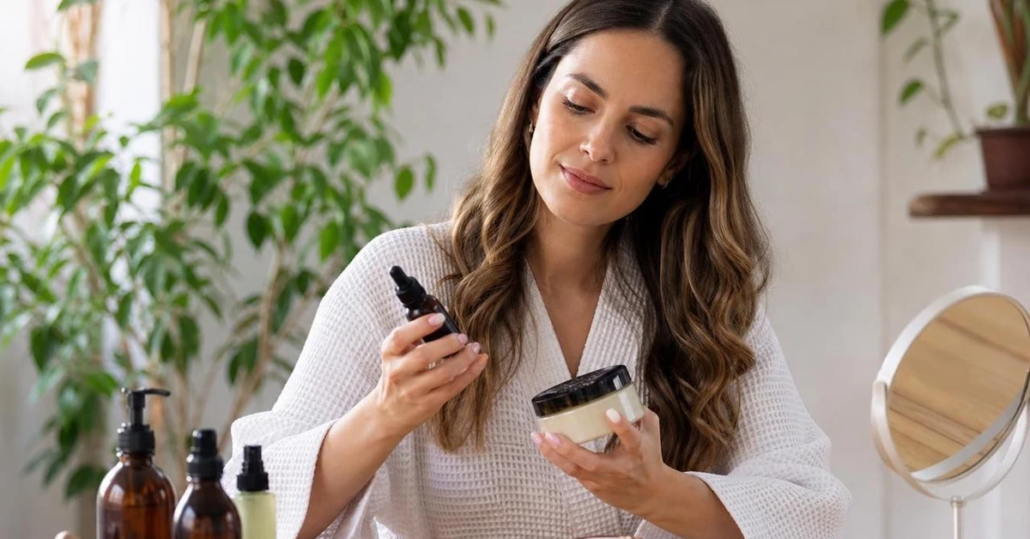
If you’re building a private label hair care line in 2026, one of the first product decisions you’ll face is whether to start with a hair mask or a hair serum. Both sit in different corners of the consumer’s routine, attract different buyer profiles, and carry distinct implications for your margins, packaging, and brand story. The global hair care market is valued at $104.2 billion as of mid-2026, and the category is only accelerating. Choosing the right entry product can mean the difference between a brand that gains traction fast and one that stalls before it ships. This guide breaks down what actually matters when deciding between hair masks and serums for your private label business: formulation complexity, profit potential, consumer behavior, and brand fit.
Defining the Core Differences: Treatment vs. Protection
Hair masks and serums serve fundamentally different purposes in a consumer’s routine, and understanding that distinction shapes every downstream decision you’ll make as a brand owner. A mask is a treatment product: it’s left on for minutes (sometimes overnight), designed to penetrate the hair shaft, and then rinsed out. A serum is a finishing product: applied to damp or dry hair, left in, and meant to coat the surface for immediate visual and tactile improvement. These aren’t interchangeable, and your customers know it.
Hair Masks: Deep Conditioning and Repair
Hair masks are the heavy lifters of any hair care routine. They typically contain higher concentrations of conditioning agents like shea butter, keratin, argan oil, or hydrolyzed proteins that work to restore moisture and repair structural damage. Consumers reach for masks after chemical treatments, heat styling, or seasonal dryness. The application ritual itself – slathering product through the hair, waiting, rinsing – creates a spa-like experience that consumers increasingly crave at home. Brands that focus on scalp and strand repair trends are seeing strong engagement across social platforms.
Hair Serums: Surface Smoothing and Shine
Serums work on the hair’s outer cuticle layer rather than penetrating it. They’re typically silicone-based or oil-based formulations designed to reduce frizz, add shine, and protect against heat or UV damage. The appeal is instant gratification: a few drops transform rough, dull hair into something that looks salon-finished. Hair serums have seen a surge of new launches in 2026, driven partly by the growing styling-product market and partly by consumers wanting lightweight, daily-use products that don’t weigh hair down.
Analyzing Market Demand and Consumer Trends
The Rise of the ‘Skinification’ of Hair Care
The “skinification” trend – treating hair and scalp with the same ingredient-conscious approach as skincare – has reshaped what consumers expect from hair products. They’re reading ingredient lists, looking for hyaluronic acid in their conditioners, and expecting clinical-sounding claims on packaging. This trend continues to dominate 2026 hair care conversations, and it benefits both masks and serums, though in different ways. Masks align with the “treatment” side of skinification (think: weekly rituals, targeted repair). Serums align with the “protection and prevention” side (think: daily SPF equivalents for hair).
Frequency of Use and Repeat Purchase Rates
Here’s where the business math gets interesting. Hair masks are used one to three times per week. A 250ml jar might last a consumer four to eight weeks. Serums, used daily in small amounts, can last even longer per unit – but the daily habit creates stronger brand loyalty and more predictable reorder cycles. If your brand strategy depends on subscription models or Amazon repeat purchases, serums may give you a slight edge in customer lifetime value. Masks, however, tend to command higher per-unit prices, which can offset slower repurchase frequency.
Production and Formulation Considerations
Ingredient Complexity and Sourcing
Mask formulations tend to be thicker emulsions requiring more complex ingredient blending. You’re dealing with butters, oils, proteins, and sometimes botanical extracts that need careful stability testing. Serums are often simpler formulations – a silicone blend or lightweight oil base with a few active ingredients – but they demand precision in texture and finish. A serum that feels greasy or leaves residue will get one-star reviews fast. Working with a manufacturer experienced in both categories matters here. Awilke Branding, for instance, offers custom formulation services with low minimum order quantities, which lets newer brands test both product types without committing to massive production runs.
Packaging Requirements and Shelf Stability
Masks typically go into jars or tubes (150ml to 500ml), which are heavier and bulkier. Serums ship in small glass or PET bottles with dropper caps or pump dispensers (30ml to 100ml). This difference has real cost implications. Jar packaging for masks is cheaper per unit but heavier to ship. Serum bottles look more premium on shelf but require more careful packaging to prevent breakage. Shelf stability also differs: oil-based serums are generally more stable than water-based mask emulsions, which may need preservative systems and more rigorous testing. Products that meet top private label standards in 2026 typically undergo accelerated stability testing across multiple climate conditions.
Profit Margins and Brand Positioning
Luxury vs. Mass Market Appeal
Serums naturally skew premium. A 50ml hair serum can retail for $18 to $35 with production costs often under $3 to $5 per unit at scale. That’s a strong margin. Masks sit in a wider price range: $12 to $28 retail for a 250ml jar, with production costs of $2 to $6 depending on ingredients. The perception of value differs too. Consumers associate small, concentrated bottles with luxury (think skincare parallels). Masks, by contrast, can play in both the mass market and premium segments depending on your ingredient story and packaging choices.
Shipping Logistics: Weight and Volume Impact
This is the factor most first-time brand founders underestimate. A case of 250ml hair mask jars weighs significantly more than a case of 50ml serum bottles. If you’re selling direct-to-consumer or through Amazon FBA, shipping costs eat directly into your margins. Serums win here: lighter, smaller, less breakage risk. For brands selling internationally, this weight difference compounds. A container of serums from a manufacturer like Awilke Branding in Shanghai ships at a fraction of the volumetric weight compared to the same number of mask units.
Choosing Based on Your Brand Identity
When to Choose Hair Masks for Damage-Focused Brands
If your brand story centers on repair, restoration, or specific hair concerns like color protection, curl definition, or post-chemical treatment recovery, masks are your natural starting product. They allow you to build a narrative around results and transformation. Brands targeting consumers with damaged or chemically treated hair find that masks create strong emotional connections – customers who see real improvement become vocal advocates. The treatment ritual also supports higher perceived value and justifies premium pricing.
When to Choose Serums for Styling-Focused Brands
Serums make more sense if your brand identity leans toward daily styling, frizz control, heat protection, or that “glass hair” aesthetic dominating social media. They’re easier to demonstrate in short-form video content, the results are visible immediately, and the daily-use habit builds brand stickiness. Serums also work well as a gateway product: they’re lower commitment for first-time buyers, and once a customer trusts your serum, upselling them into masks, shampoos, or treatments becomes much easier.
Strategizing for a Successful Private Label Launch
The answer to whether you should private label a hair mask or a serum isn’t universal – it depends on your target customer, your brand positioning, and your logistics reality. If you’re building a results-driven, treatment-focused brand, start with masks. If you want faster inventory turns, lighter shipping costs, and a daily-use product that builds habit, start with serums. Many successful brands launch with one and add the other within six to twelve months once they understand their customer base.
What matters most is partnering with a manufacturer that gives you flexibility. Low MOQs let you test both formats without betting your entire budget on one SKU. Custom formulations ensure your product actually stands out rather than being another generic offering in a crowded market. If you’re ready to move from planning to production, request a sample or quote from Awilke Branding to explore GMP-certified manufacturing with formulations tailored to your brand’s specific vision.
Frequently Asked Questions
Can I private label both a hair mask and a serum at the same time?
Yes, and many brands do. The key is ensuring your manufacturer supports low minimum order quantities so you’re not overcommitting capital to two SKUs simultaneously. Starting with 500 to 1,000 units of each is a reasonable test run.
What’s the typical MOQ for private label hair care products?
It varies widely. Some manufacturers require 5,000 to 10,000 units per SKU. Others, like Awilke Branding, offer lower minimums that make it feasible for startups and smaller brands to enter the market without massive upfront investment.
Which product is easier to market on social media?
Serums tend to perform better in short-form video because the results are instant and visual – a few drops transforming frizzy hair into smooth, shiny strands. Masks work better for longer-form “routine” content and before-and-after transformation posts.
Do hair masks or serums have stricter regulatory requirements?
Both must comply with cosmetic regulations in your target market (FDA in the US, EU Cosmetics Regulation in Europe, etc.). Masks with rinse-off formulations and serums with leave-on formulations may have different preservative and ingredient restrictions. Always work with a manufacturer that ensures global regulation compliance for your specific markets.

 How to Position a Private Label Haircare Brand in a Crowded Market