
Launch Your Own Skincare Brand
Global Leading laboratory for Custom formulation and Contract Manufacturing beauty products.

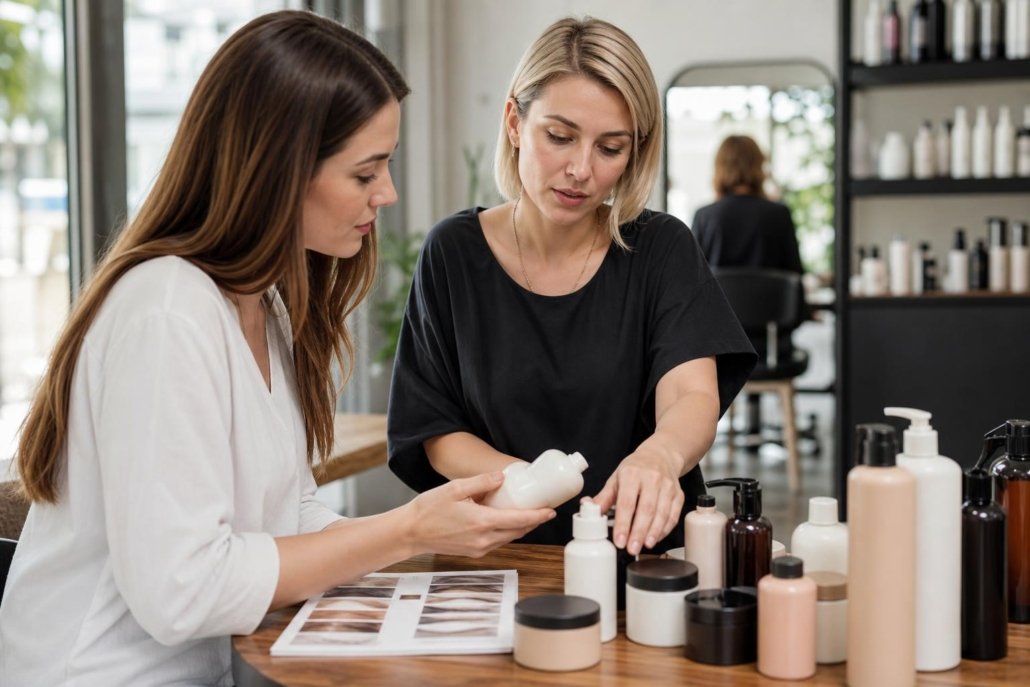
private label haircare products-Awilke Branding
Salon owners who’ve built loyal clientele often sit on an underused advantage: trust. Your clients already take your product recommendations seriously, so why keep pushing someone else’s brand when you could sell your own? Launching private label hair products for your salon is one of the most direct paths to increasing per-client revenue, building brand equity, and differentiating your business from the shop down the street. The margins on retail hair products typically range from 40% to 60%, and when you own the brand, you control the pricing, the ingredients, and the story behind every bottle. But getting from “I want my own product line” to actually having bottles on your shelves requires real planning. You need to understand your clients, find the right manufacturing partner, nail your packaging, and train your team to sell authentically. This guide walks through each step so you can move from idea to launch without the expensive missteps that trip up most first-timers.
Defining Your Brand Identity and Target Audience
Before you source a single ingredient or sketch a logo, you need clarity on who you’re building this line for. A salon in Austin catering to textured hair has wildly different product needs than a blow-dry bar in Manhattan. Your brand identity should grow directly from your existing salon culture, your stylists’ expertise, and the specific clients who already fill your chairs. Think about what makes your salon different. Maybe you’re known for color correction, or perhaps your niche is clean beauty for sensitive scalps. That specialty should inform every decision from formulation to messaging.
Identifying Salon Client Needs and Pain Points
Start by listening to what your clients actually complain about. Track the questions they ask during appointments for two to three weeks. You’ll notice patterns: “Why does my color fade so fast?” or “Everything makes my scalp itch.” These recurring frustrations are your product opportunities. Survey your top 30 clients with a simple Google Form asking about their current hair care routine, what products they wish existed, and what they’d pay for salon-quality formulas. Real data beats guessing every time.
Developing Your Brand Aesthetic and Voice
Your product line should feel like a natural extension of your salon experience. If your space is minimalist and modern, your packaging should reflect that. If your vibe is warm and approachable, your copy should sound like a friend giving advice, not a lab report. Pick two or three adjectives that describe your salon’s personality and use them as a filter for every branding decision. Choose a name that’s easy to pronounce, spell, and remember. Avoid names that are too clever or too generic: both get forgotten.
Selecting the Right Private Label Manufacturer
Your manufacturer is essentially your business partner, even if you never meet in person. The right one gives you flexibility, consistent quality, and honest guidance on what’s realistic for your budget. The wrong one delivers late, cuts corners on ingredients, or locks you into order sizes you can’t afford. Spend real time vetting potential partners. Ask for references from other small brands. Request certificates of GMP compliance and ISO 22716 certification, which are the international standards for cosmetic manufacturing quality. Companies like Awilke Branding, which holds both certifications, can handle custom formulations and offer the kind of low minimum orders that make sense for a single-location salon testing its first product line.
Evaluating Product Quality and Ingredient Standards
Request samples from at least three manufacturers before committing. Test them in your salon for a minimum of four weeks. Pay attention to how products perform across different hair types, how they smell after application (not just in the bottle), and whether they rinse clean or leave residue. Ask each manufacturer for full ingredient lists and challenge them on anything you don’t recognize. If your brand positioning involves clean or sustainable ingredients, verify that claims are backed by documentation, not just marketing language.
Understanding Minimum Order Quantities (MOQs)
MOQs can make or break a new product launch. Some manufacturers require 5,000 units per SKU, which is a financial risk most salon owners can’t absorb on a first run. Look for partners offering MOQs in the 500 to 1,000 unit range per product. This lets you test market response without sitting on $20,000 of unsold inventory. Awilke Branding, for example, structures its MOQs specifically for emerging brands, which makes it practical to start with three or four core products rather than betting everything on a single formula.
Curating Your Initial Product Lineup
Resist the urge to launch with 12 products. A focused lineup of three to five items is easier to manufacture, stock, market, and explain to clients. Think about what your stylists reach for most during appointments and what clients ask to take home. Those overlap points are your starting products.
Starting with High-Volume Essentials
Shampoo and conditioner are the obvious starting pair because every client uses them daily. A third product should address your salon’s specific niche: a leave-in treatment for color-treated hair, a scalp serum for clients with sensitivity issues, or a styling cream for textured hair. These essentials have high repeat-purchase rates, which means steady revenue once clients integrate them into their routines. Avoid launching with specialty items like hair masks or oils first. They sell slower and don’t build the daily-use habit that drives reorders.
Testing Samples and Gathering Stylist Feedback
Your stylists are your first quality control team. Give them samples to use on clients for six to eight weeks before you finalize any formula. Create a simple feedback form covering texture, scent, performance, and ease of use. Stylists who help develop the products become genuinely invested in selling them. They’ll speak about the line with real conviction because they had a hand in shaping it. Client feedback during this phase is equally valuable: if three people mention the scent is too strong, reformulate before you commit to a full production run.
Designing Professional Packaging and Labels
Packaging is the first thing a client touches and the last thing they see on their bathroom counter. It needs to look professional enough to justify salon pricing and practical enough for daily use. Invest in a graphic designer who has experience with beauty products, not just general branding. They’ll understand label real estate, how fonts read at small sizes, and how colors shift between screen and print. Choose bottle shapes that feel good in wet hands and pumps that dispense the right amount. These details separate professional lines from products that look homemade.
Ensuring Regulatory and Legal Compliance
Every country has specific labeling requirements for hair care products. In the U.S., the FDA requires ingredient lists in descending order of concentration, net quantity statements, and distributor information. The EU has its own Cosmetic Products Regulation with even stricter standards. If you plan to sell online and ship internationally, your labels need to comply with every market you’re targeting. Your manufacturer should guide you through this process.
Pricing Strategies for Maximum Profitability
Pricing your private label products requires balancing three factors: your cost of goods, your perceived brand value, and what competing products charge. Don’t price based on cost alone. A shampoo that costs you $4 to produce and ship shouldn’t automatically retail for $12 just because you want a 3x markup. Consider what your clients currently pay for similar products and position your line slightly below or at parity with the professional brands they already trust.
Calculating Cost of Goods and Retail Margins
Your true cost per unit includes more than the manufacturer’s price. Add shipping, import duties if applicable, packaging inserts, and any marketing materials. A realistic cost breakdown for a 10-oz shampoo might look like this:
- Manufacturing: $2-$3
- Shipping and logistics: $0.80
- Packaging and labels: $1.20
- Marketing materials: $0.30
- Total landed cost: $5.80
At a retail price of $24, you’re looking at roughly a 76% gross margin. That’s healthy and sustainable. Offer your stylists a small commission (10% to 15% of retail) on every unit they sell to keep them motivated without eroding your profit.
Marketing and Selling Your Line In-Salon and Online
The most effective marketing channel for salon products is the salon itself. Every appointment is a product demonstration. But you need systems in place to convert that exposure into purchases, both in person and through an online store. Set up a simple Shopify or WooCommerce site where clients can reorder between visits. Email them a product link after their appointment with a note from their stylist. This follow-up alone can double your retail conversion rate within the first quarter.
Training Stylists as Brand Ambassadors
Stylists who feel like salespeople will resist pushing products. Stylists who feel like educators will do it naturally. The difference is training. Run a half-day workshop where your team learns the ingredients, the formulation story, and the specific client problems each product solves. Role-play conversations so they practice recommending products without sounding scripted. Give each stylist a full set of products to use personally. When they genuinely love the shampoo they’re recommending, clients can tell.
Creating Merchandising Displays that Convert
Place products at the checkout area and at each styling station. Eye-level shelf placement increases purchase likelihood by up to 35% compared to lower shelves. Use small shelf talkers or cards that highlight one benefit per product rather than listing every ingredient. Rotate a “stylist pick of the month” to create urgency and give your team a conversation starter. Keep your display clean and well-stocked: empty shelves signal a brand that isn’t serious.
Your Next Step Toward Building a Salon Brand
Getting your own hair care line off the ground takes planning, but it’s far more accessible than most salon owners realize. Start with a clear brand identity, choose a manufacturer that matches your scale, launch with a tight product lineup, and let your stylists do what they do best: recommend products they believe in. If you’re ready to move from concept to production, Awilke Branding offers GMP-certified manufacturing, custom formulations, and MOQs designed for brands just getting started. Request a free quote and see how quickly your salon’s own product line can become a reality.
Frequently Asked Questions
How much does it cost to launch private label hair products for a salon?
A realistic starting budget ranges from $3,000 to $8,000 for three to five products, depending on your MOQ, packaging choices, and shipping costs. Custom formulations cost more than selecting from a manufacturer’s existing catalog, but they give you a unique product.
How long does the process take from concept to finished product?
Expect 8 to 16 weeks for most private label projects. Formulation and sampling take 3 to 6 weeks, packaging design and approval another 2 to 4 weeks, and production plus shipping fill the remaining time.
Do I need FDA approval to sell hair care products in the U.S.?
Hair care products don’t require FDA pre-approval, but they must comply with FDA labeling regulations and cannot contain prohibited ingredients. Products making drug claims (like “treats dandruff”) fall under stricter rules and may require a drug monograph.
Can I sell my private label products on Amazon or other online marketplaces?
Yes, and many salon owners use Amazon as a secondary revenue channel. You’ll need proper UPC codes, compliant product listings, and enough inventory to meet demand. Start with your own website first to maintain full control over pricing and brand presentation.

 Top 7 Private Label Men’s Grooming Manufacturers in 2026